Minister Rositsa Karamfilova: The real value of investments in the environment are the lasting benefits for people and nature
28 Oct, 2026 | 14:17



- Bulgaria and Switzerland are implementing three joint projects amounting to nearly 63 million Swiss francs in the areas of air quality, the disposal of obsolete pesticides, and the improvement of visitor infrastructure in Rila National Park
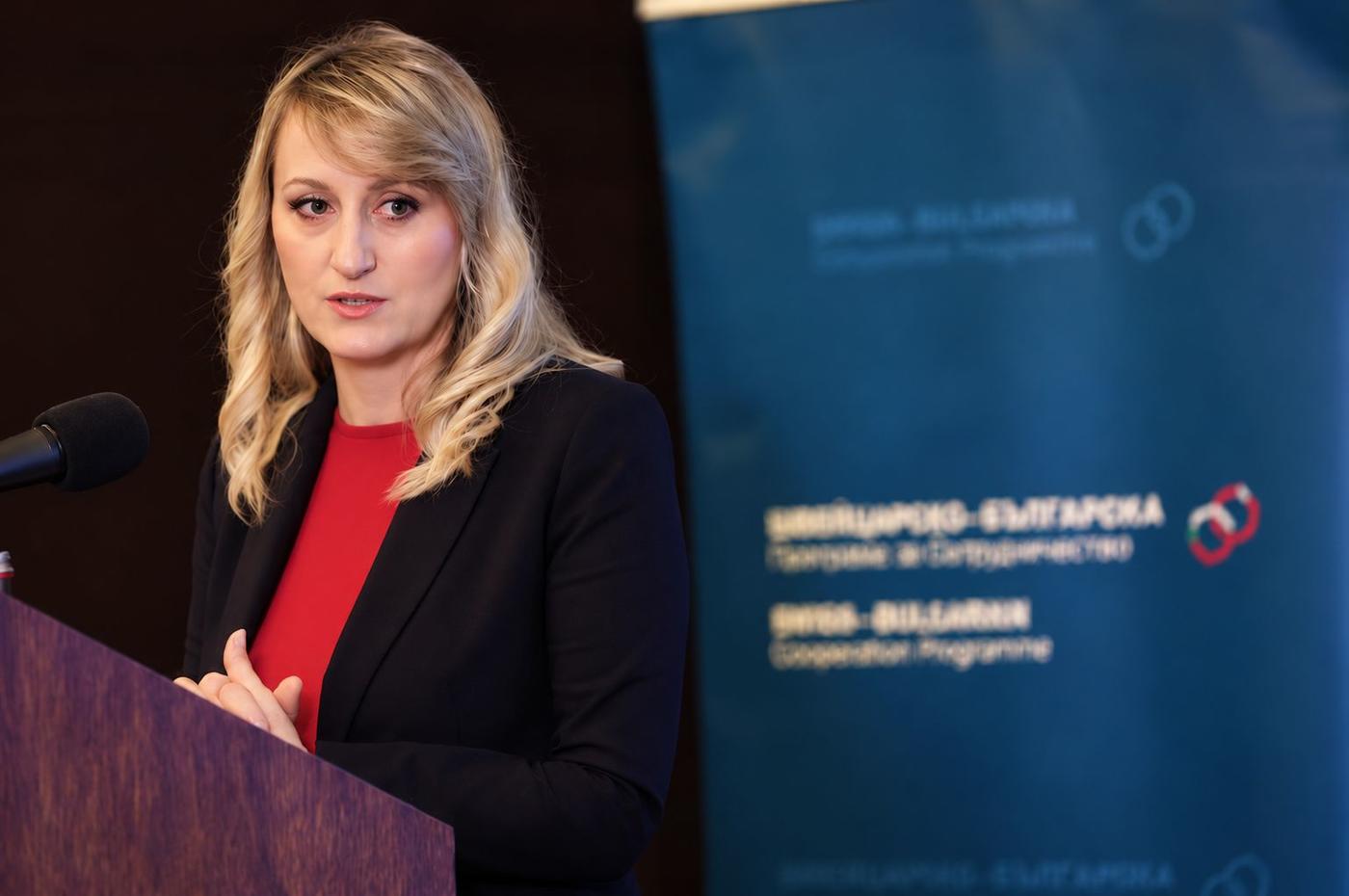
“The support from the Swiss Confederation enables us to make progress in areas that are important to Bulgaria. But funding alone is not the end result. The real value of an investment is seen in the change it brings.” This was stated by Minister of Environment and Water Rositsa Karamfilova during the official presentation of the three support measures in the field of environment and climate, funded under the Swiss-Bulgarian Cooperation Program.
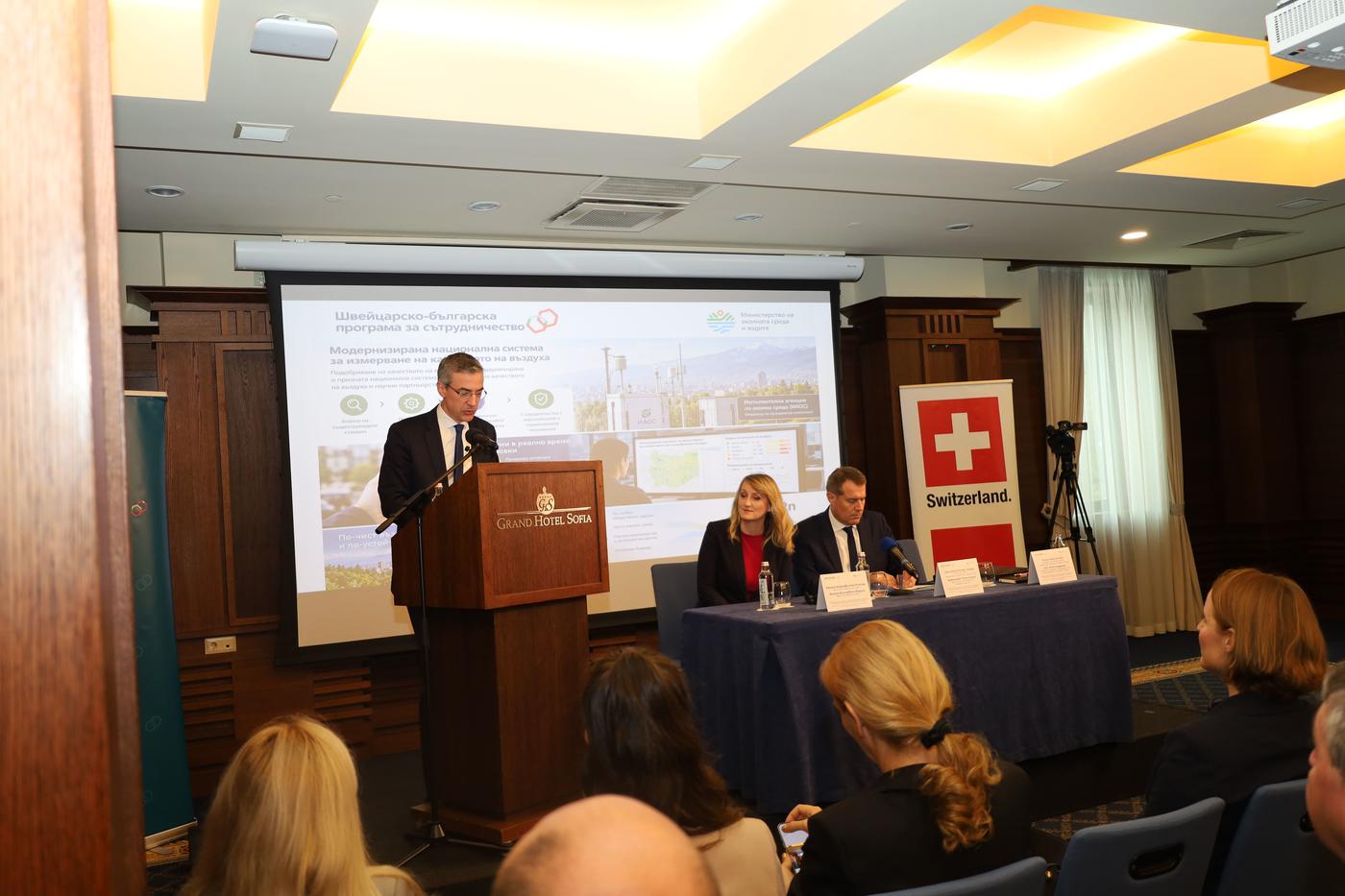
The event was opened by Minister Karamfilova and the Ambassador of the Swiss Confederation to Bulgaria, H.E. Pierre Hagmann. Pietro Lazzeri, Ambassador of the “Economic Cooperation and Development” Division at the State Secretariat for Economic Affairs, also participated.
Minister Karamfilova emphasized that cooperation between Bulgaria and Switzerland is an expression of a long-standing partnership based on the exchange of knowledge, expertise, and best practices. According to her, the three projects differ in nature but are united by the common goal of offering effective, long-term solutions to specific environmental challenges.
For his part, Swiss Ambassador Pierre Hagmann stated that Bulgaria’s natural environment must be protected through effective measures, which is why Switzerland is sharing its expertise in nature conservation and sustainable development. He emphasized that these measures contribute to improving people’s lives.
One of the main priorities is the modernization of the national air quality monitoring system. The ModAIRn project calls for upgrading the measurement infrastructure, improving real- -time data transmission, and developing a mobile app that will give citizens easier access to information on air quality.
“High-quality data is important not only for institutions. It is important for every person who wants to know what kind of environment surrounds them,” the minister noted. She expressed the ambition that, once the project is implemented, every citizen will be able to use their cell phone to receive up-to-date information on air quality in the area where they live.
The second project – PEST - is aimed at the final and environmentally sound disposal of remaining quantities of obsolete pesticides, as well as improving control measures and preventing the future accumulation of hazardous chemicals. Minister Karamfilova described addressing this problem as a responsibility that cannot be postponed. She noted that the project continues the collaboration with Swiss partners in this field and serves as an example of the shared commitment to finding sustainable solutions to problems that have accumulated over the years.
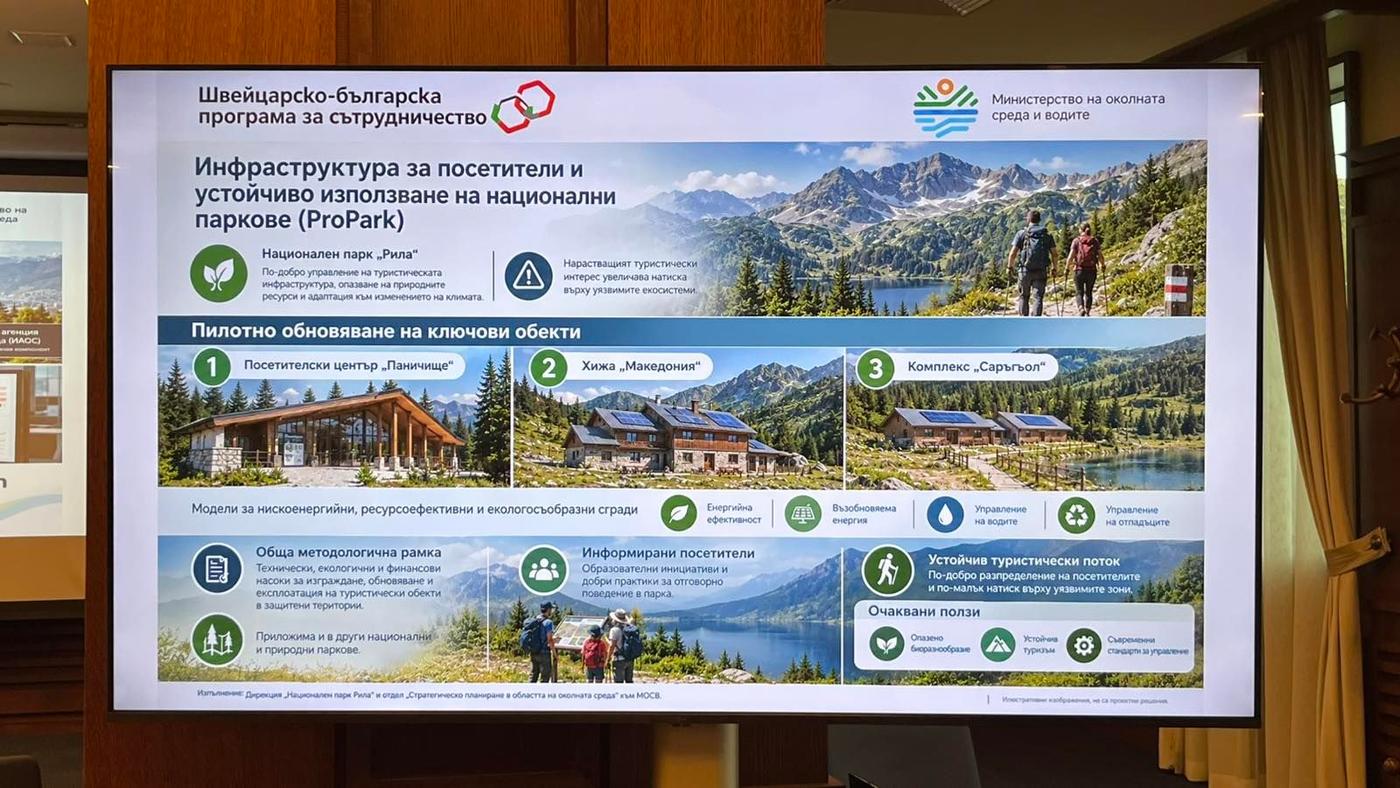
The third project – ProPark - is aimed at developing sustainable visitor infrastructure in Rila National Park. Plans call for the renovation of the Panichishte Visitor Center, the Macedonia Mountain Hut, and the Saragol Complex, incorporating solutions for greater energy efficiency and the prudent use of resources. “The challenge is to balance people’s access to nature with the preservation of its most valuable features. This requires careful planning and a responsible approach to every intervention,” the minister emphasized.
Rositsa Karamfilova also emphasized the responsibility for high-quality project implementation, good coordination among institutions, and achieving results with long-term impact: “For the Ministry of Environment and Water, it is important that this support translate into sustainable benefits for people and nature. Our primary responsibility is not merely to provide the necessary resources, but to ensure that what is achieved will have lasting significance.” The minister expressed confidence that the partnership, based on professionalism, high expertise, and responsibility, will lead to concrete results for the benefit of society and future generations.
The projects being implemented under the program have a total budget of approximately 62.68 million Swiss francs, of which up to 45 million francs are provided by Switzerland and about 17.68 million francs come from national co-financing.