A new protected area has been declared along the Studena River
25 Apr, 2026 | 11:16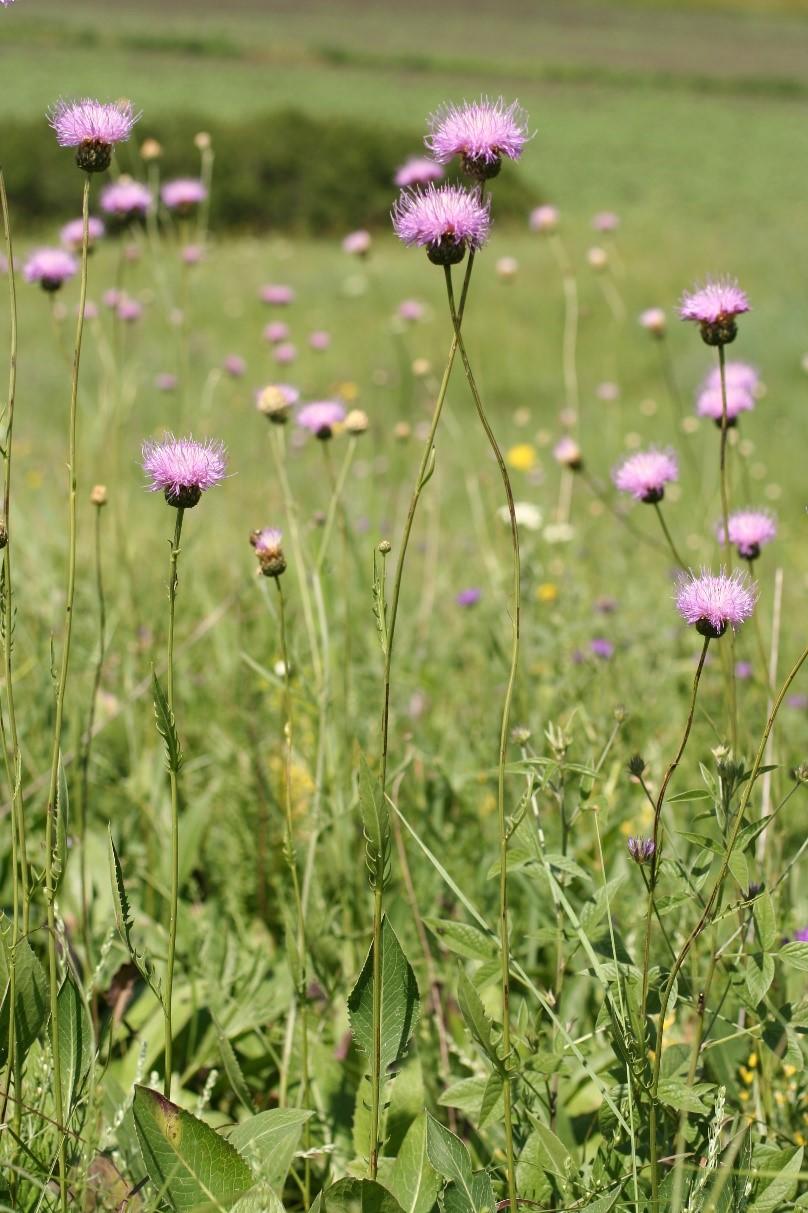

- By orders of Minister Julian Popov, the area of the “Izvorska River Estuary,” “Sladun,” and “Dupkata” sites has also been expanded
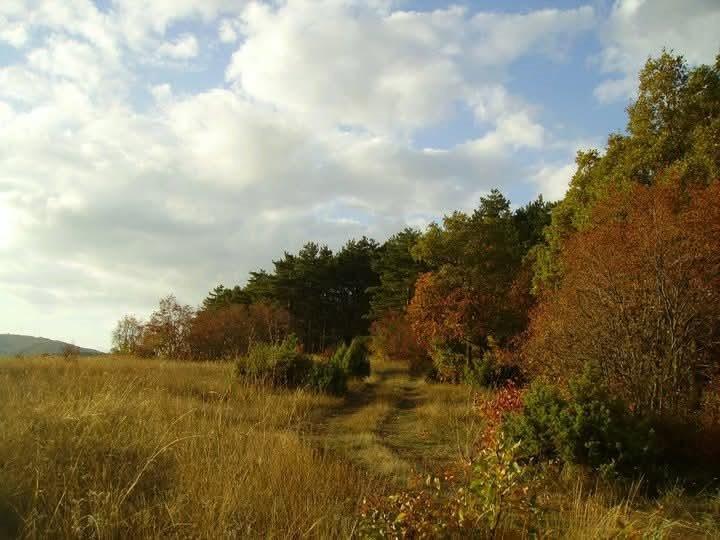
Minister of Environment and Water Julian Popov issued an order declaring a new protected area - protected area “Steppe Communities along the Studena River.”
The new protected area along the Studena River was proposed by the Institute of Biodiversity and Ecosystem Research at the Bulgarian Academy of Sciences. It is located in the territory of the village of Hadzhidimitarovo, Svishtov Municipality, Veliko Tarnovo Province, and covers a total area of 693.608 decares. The protected area safeguards habitats and sites of endangered plant species, such as: Bulgarian saw-wort (Serratula bulgarica), Ledebour’s (Eastern) miscanthus (Jurinea ledebourii), horned milkvetch (Astragalus corniculatus), Bulgarian yellow hedysarum (Hedysarum grandiflorum subsp. bulgaricum), and others, as well as endangered plant communities such as the Danube loess steppes and continental petrophytic salt steppes.
Three other orders increase the area of existing protected territories—the protected areas “Izvorska River Estuary,” “Sladun,” and “Dupkata.”
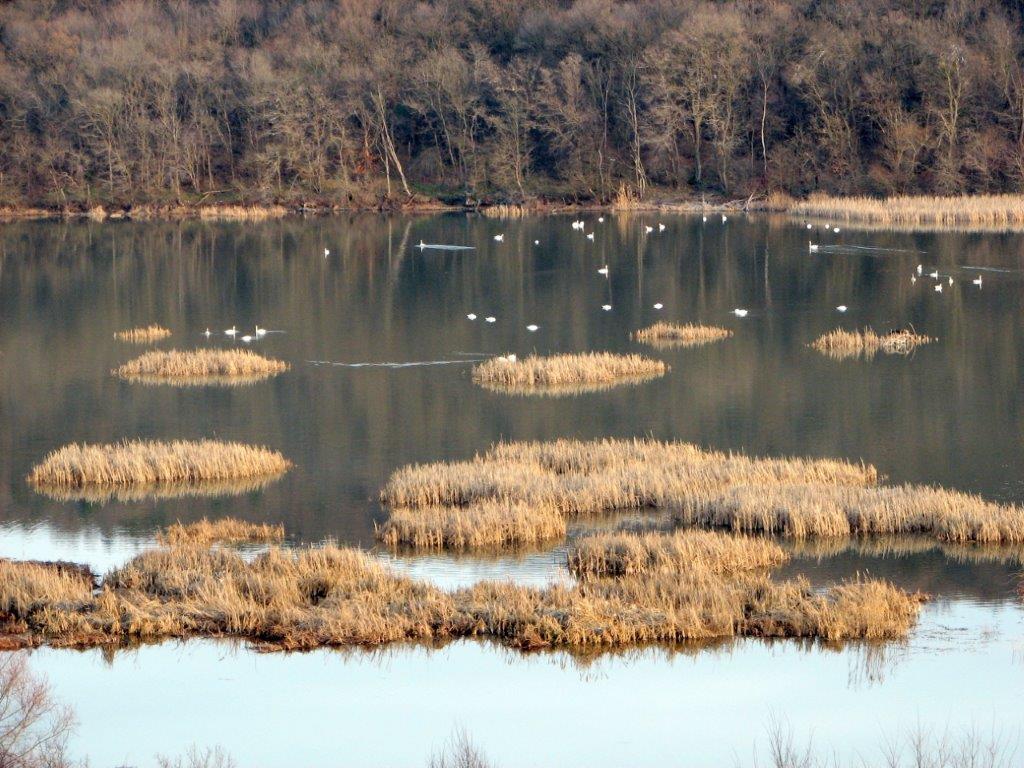
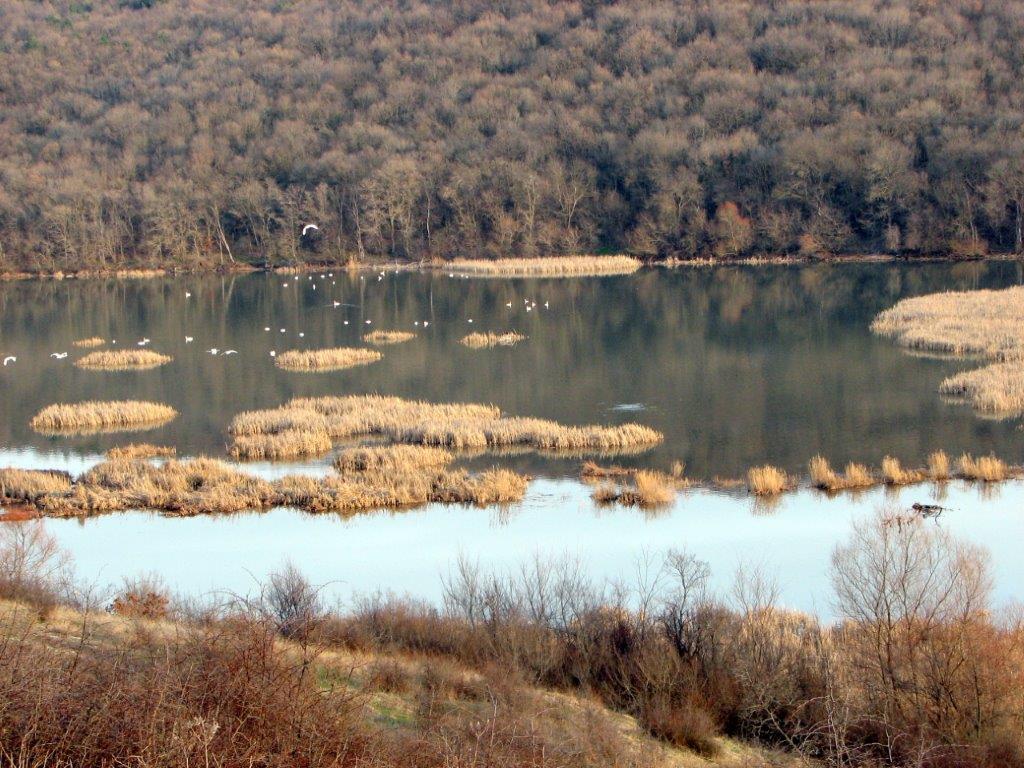
At the proposal of the Association of Parks in Bulgaria, the area of the "Izvorska River Estuary" protected area is increased by 313 516 decares in the territories of the villages of Dimchevo, Izvor, and Tvarditsa, Burgas Municipality, Burgas Province. It protects the natural habitats of protected and rare bird species, many of which are listed in the Red Book of the Republic of Bulgaria.
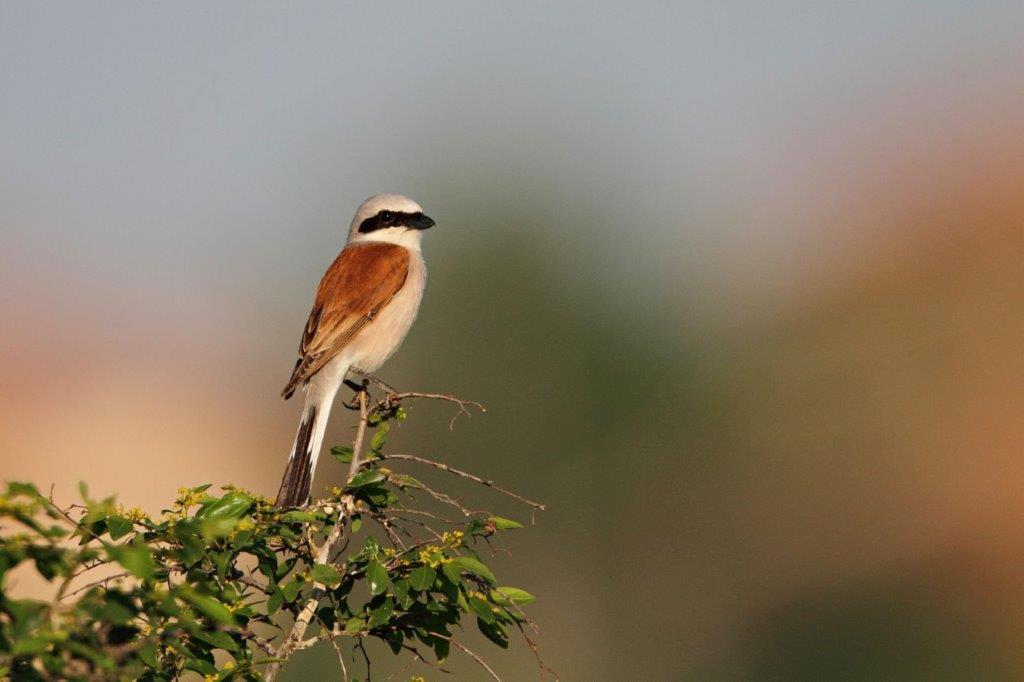
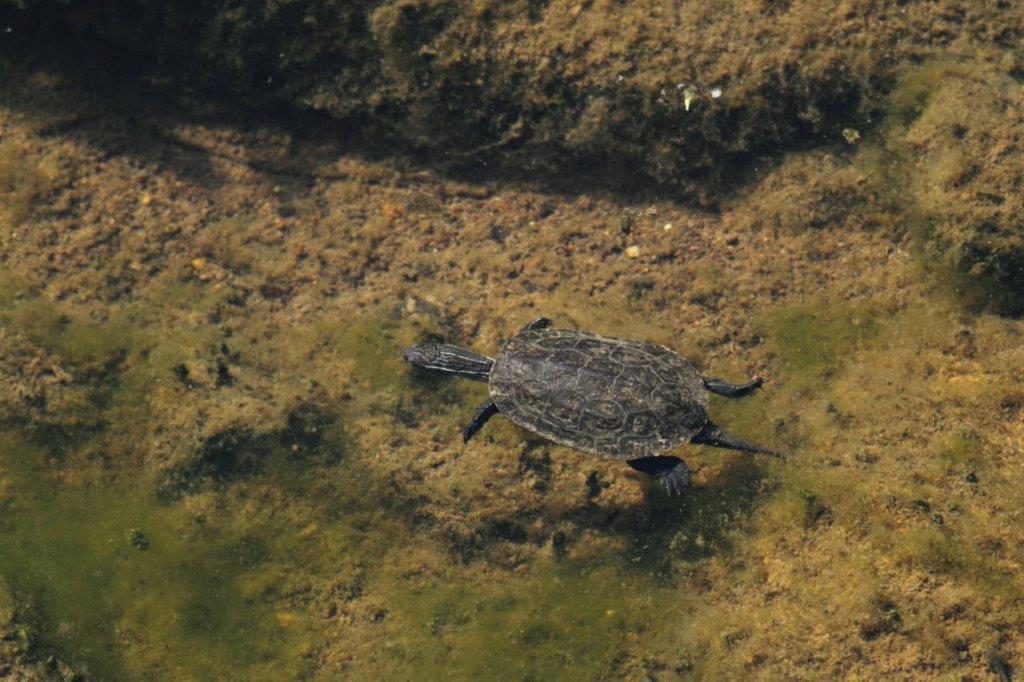
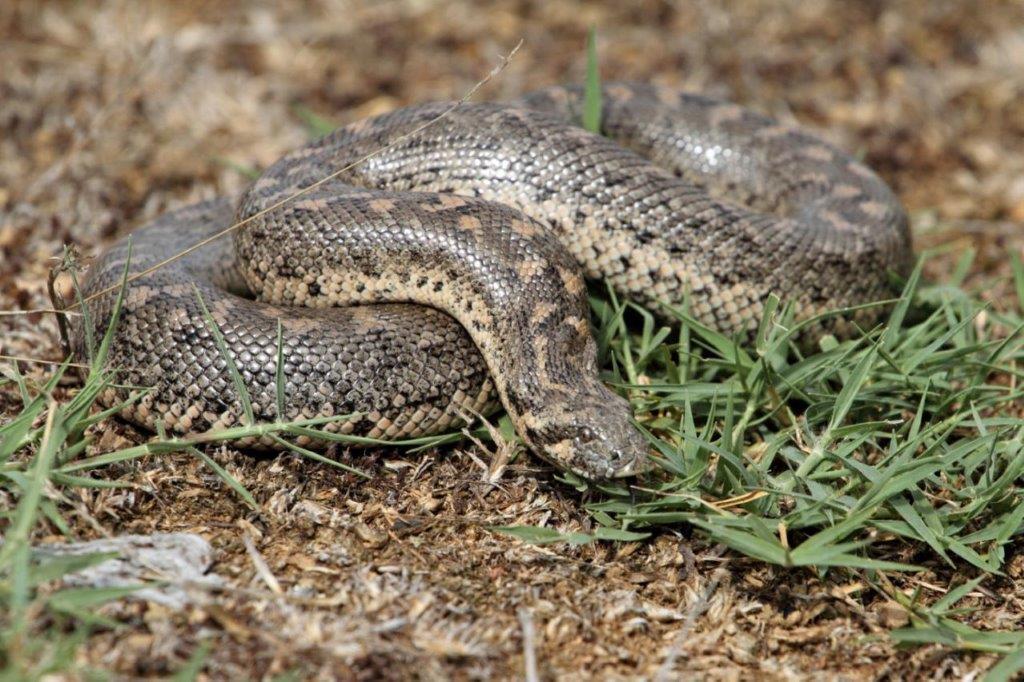
At the proposal of the Regional Inspectorate of Environment and Water-Haskovo and with the cooperation of the Bulgarian Society for the Protection of Birds, the area of the “Sladun” protected area in the territory of the village of Sladun, Svilengrad Municipality, Haskovo Province, is being expanded by 2 466.057 decares. The following are protected here: thermophilic and sub-Mediterranean oak forests, riparian formations of willows (Salix spp.), mixed ash-alder groups along the rivers (Fraxinus excelsior – Alnus glutinosa), and protected animal species: the yellow-bellied toad (Pseudopus apodus), blindworm (Typhlops vermicularis), spotted snake (Elaphe sauromates), Turkish boa (Eryx jaculus), European pond turtle (Emys orbicularis), Hermann’s tortoise (Eurotestudo hermanni), Greek tortoise (Testudo graeca), imperial eagle (Aquila heliaca), Eurasian sparrowhawk (Accipiter nisus), Northern goshawk (Accipiter gentiles), short-toed snake eagle (Circaetus gallicus), Lesser Spotted Eagle (Hieraaetus pennatus), Long-tailed Buzzard (Buteo rufinus), Honey Buzzard (Pernis apivorus), European Ground Squirrel (Spermophilus citellus), Eurasian Otter (Lutra lutra), and others:
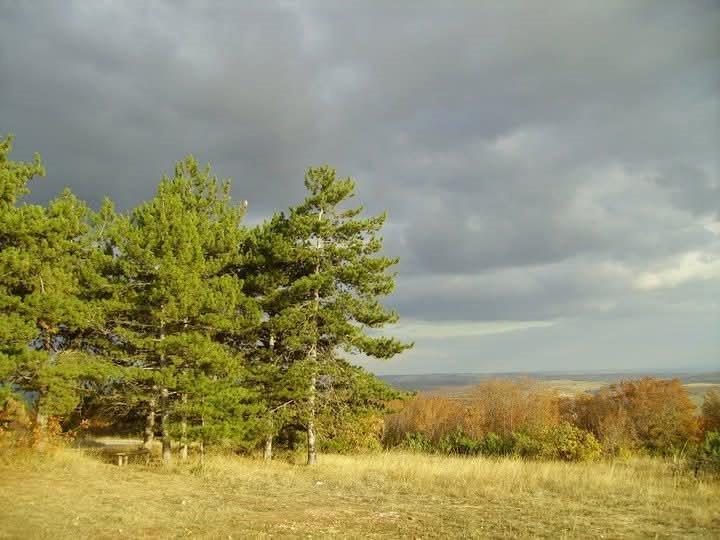
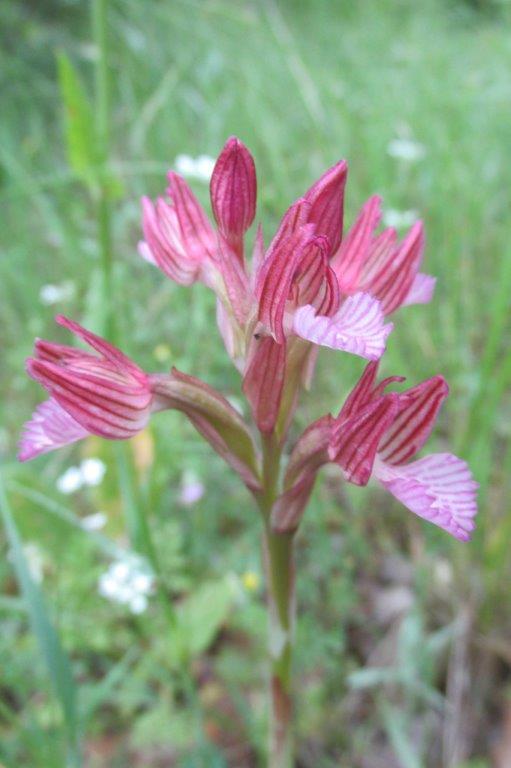
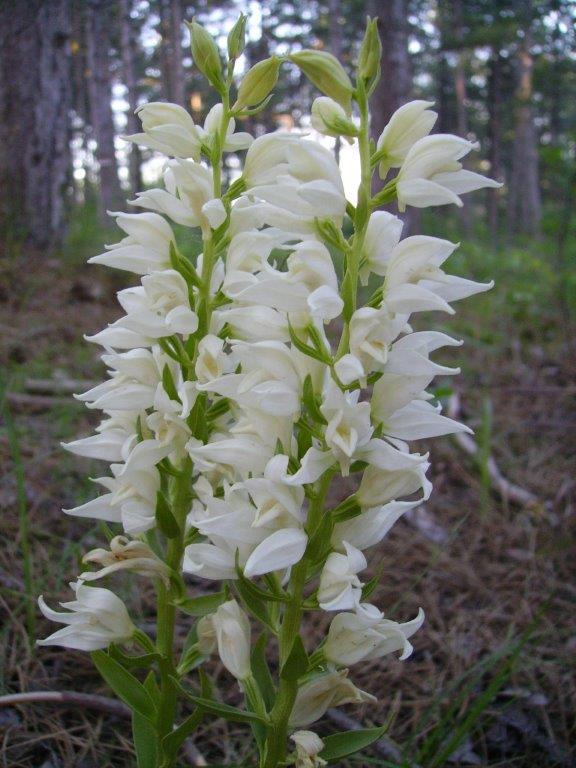
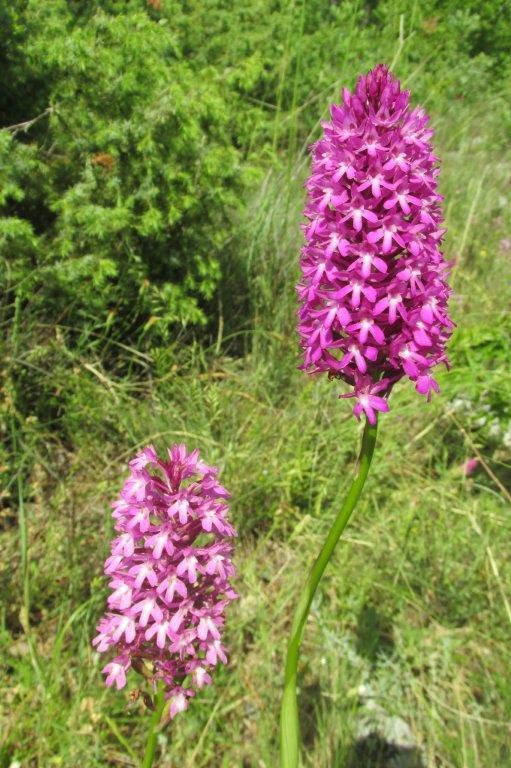
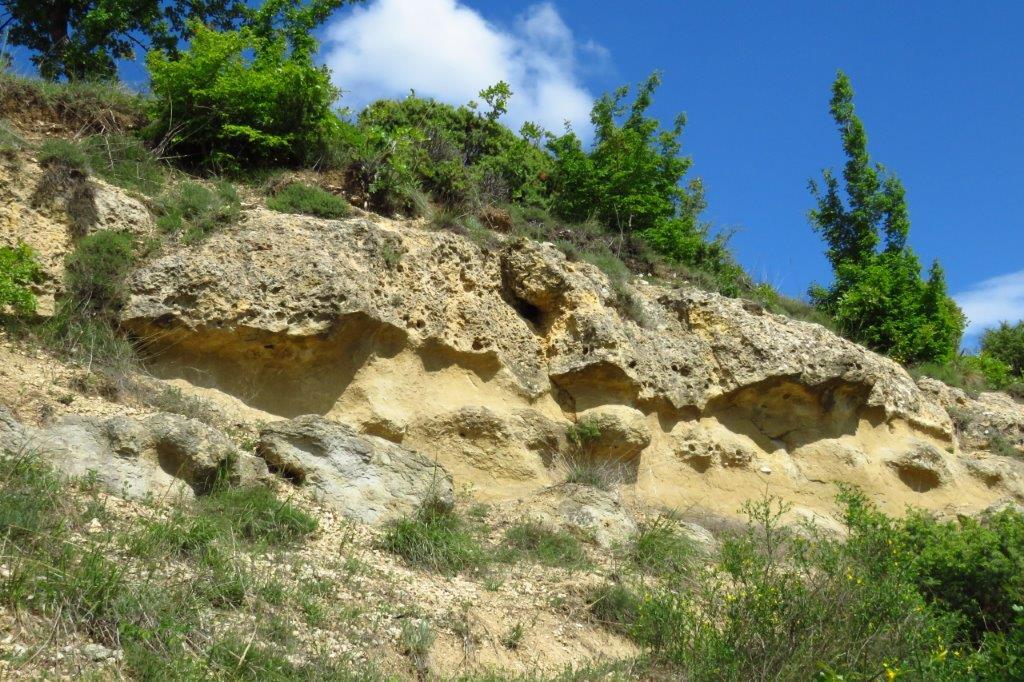
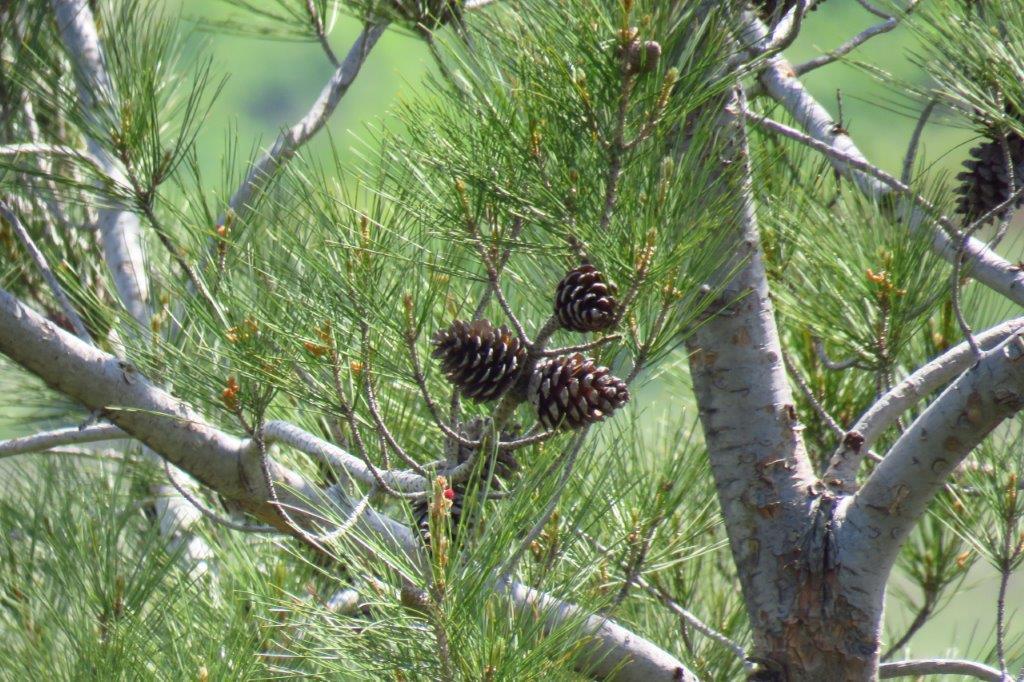
At the suggestion of WWF-Bulgaria (World Wildlife Fund), the area of the “Dupkata” Protected Area in the territory of the town of Ivaylovgrad, Ivaylovgrad Municipality, Haskovo Province, has been increased by 542.989 decares. The conservation objectives include: sites of rare and protected wild plant species, including the two-horned orchid (Ophrys scolopax), the spider orchid (Ophrys mammosa), Rumelian lizard orchid (Himantoglossum calcaratum subsp. rumelicum), common pyramidal orchid (Anacamptis pyramidalis), butterfly orchid (Anacamptis papilionacea), Epipactis-leaved Cephalanthera (Cephalanthera epipactoides), abortive Limodorum (Limodorum abortivum), pale Cephalanthera (Cephalanthera damasonium), long-leaved Cephalanthera (Cephalanthera longifolia), red Cephalanthera (Cephalanthera rubra), monkey orchid (Orchis simia), common orchid (Anacamptis morio), purple orchid (Orchis purpurea), broad-leaved helleborine (Epipactis helleborine), and others; a stand of Calabrian pine (Pinus brutia); characteristic landscape of limestone terrain; the “Dupkata” cave.
In the newly designated protected area, as well as in the expansions of existing ones, activities that could lead to the destruction or damage of the relevant species, habitats, and ecosystems - which are the subject of conservation within them - are prohibited. Among the prohibitions are: changes in land use and permanent land use practices; construction, with the exception of maintenance, repair, and reconstruction of existing structures and facilities; exploration, survey, and extraction of underground resources; introduction of non-native plant and animal species; soil cultivation, excavation activities, and the use of fertilizers; pollution with waste, certain types of logging, and certain forestry activities; grazing and mowing outside specified norms and timeframes, etc.
The declaration of new protected areas and the expansion of existing ones is an example of good partnership and cooperation among all stakeholders, including state institutions, local authorities, non-governmental organizations, and citizens.
The orders are to be published in the State Gazette.