Bulgaria submitted its draft National Nature Recovery Plan on time
01 Sep, 2026 | 15:22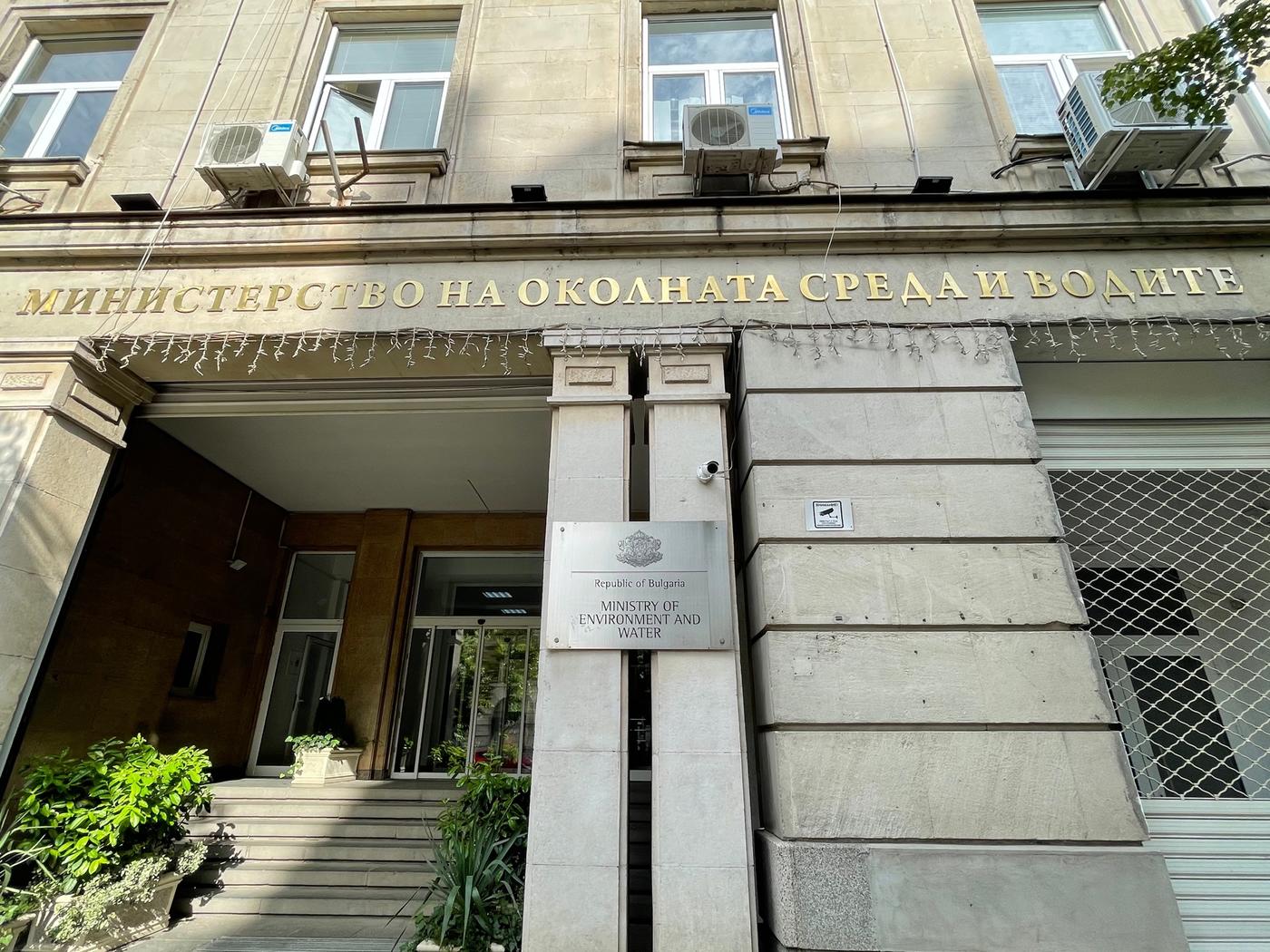
Bulgaria submitted the draft National Nature Restoration Plan to the European Commission by the deadline set out in Regulation (EU) 2024/1991 - 1 September 2026. The draft was created by the Ministry of the Environment and Water (MOEW) in collaboration with the Ministry of Agriculture and Food (MAF), the Ministry of Regional Development and Public Works (MRDPW), and the Executive Forestry Agency (EFA).
The National Plan is the main instrument for the implementation of Regulation (EU) 2024/1991 on nature restoration. It covers a wide range of ecosystems and sets out the approach, measures and stages through which Bulgaria will fulfil the objectives for their restoration and maintenance.
Developing such a plan presents a significant challenge in terms of expertise and organisation. The plan is a novel instrument that requires the collection, analysis, and synthesis of a substantial volume of scientific, spatial, and sectoral data, information from the relevant institutions, and coordination between numerous responsible bodies.
To secure additional expert support, the Ministry of Environment and Water conducted a public procurement procedure to assist with the development of the project. The procedure was subject to an appeal, which prevented a contract from being concluded with an external contractor within the required timeframe. In order to meet the deadline for submitting the draft to the European Commission, the Ministry of Environment and Water mobilised its own expert capacity and coordinated the work on preparing the draft with the other institutions involved. Suggestions from representatives of the scientific community and civil society organisations were also taken into account during its development.
The draft summarises the data and information currently available and outlines the main areas of focus for achieving the objectives of the Regulation.
It covers the following key ecosystems and areas:
- Terrestrial, coastal, freshwater, and marine ecosystems - restoration of degraded habitats to good condition, with measures covering at least 30 per cent of their total area by 2030.
- Urban ecosystems - halting the net loss of urban green spaces and urban tree cover by 2030, followed by a trend towards their increase.
- River ecosystems - restoring the natural connectivity of rivers by identifying and removing artificial barriers, with priority given to obsolete and no longer necessary structures.
- Pollinators - improving the status of pollinator populations and reversing the trend of their decline by 2030 at the latest, followed by a sustained trend towards an increase in their numbers.
- Agricultural ecosystems - improving biodiversity on agricultural land, taking into account climate change, the social and economic needs of rural areas and the need for sustainable agricultural production.
- Forest ecosystems - improving the condition and resilience of forest ecosystems, including by taking into account the risks of forest fires, as well as achieving an upward trend in the index of common forest bird species.
- Additional tree planting - contributing to the pan-European commitment to plant at least 3 billion additional trees by 2030, whilst adhering to environmental principles and prioritising native tree species.
The plan has a long-term horizon extending to 2050, with the implementation of the objectives and measures to be carried out in stages.
Upon the submission of the draft, the European Commission will assess it and may make comments, which will be taken into account when drawing up the final National Plan.
In parallel, a wide-ranging public consultation process is to take place in Bulgaria. This will be open to public institutions, scientific, sectoral, and non-governmental organisations, local authorities and other interested parties and organisations. The views and proposals received, as well as additional data and analyses, will be considered alongside the results of the European Commission’s assessment when drawing up the final National Nature Recovery Plan.
Further information on Regulation (EU) 2024/1991 can be found at the following links:
Text of the Regulation https://eur-lex.europa.eu/legal-content/BG/TXT/HTML/?uri=OJ:L_202401991
Portal on the Nature Restoration Regulation https://biodiversity.europa.eu/europes-biodiversity/nature-restoration/reference-portal-for-nature-restoration-regulation
The document is due to be published here at a later date.