Minister Julian Popov discussed with industry representatives views on implementing the European Emissions Trading Scheme
27 Mar, 2026 | 10:21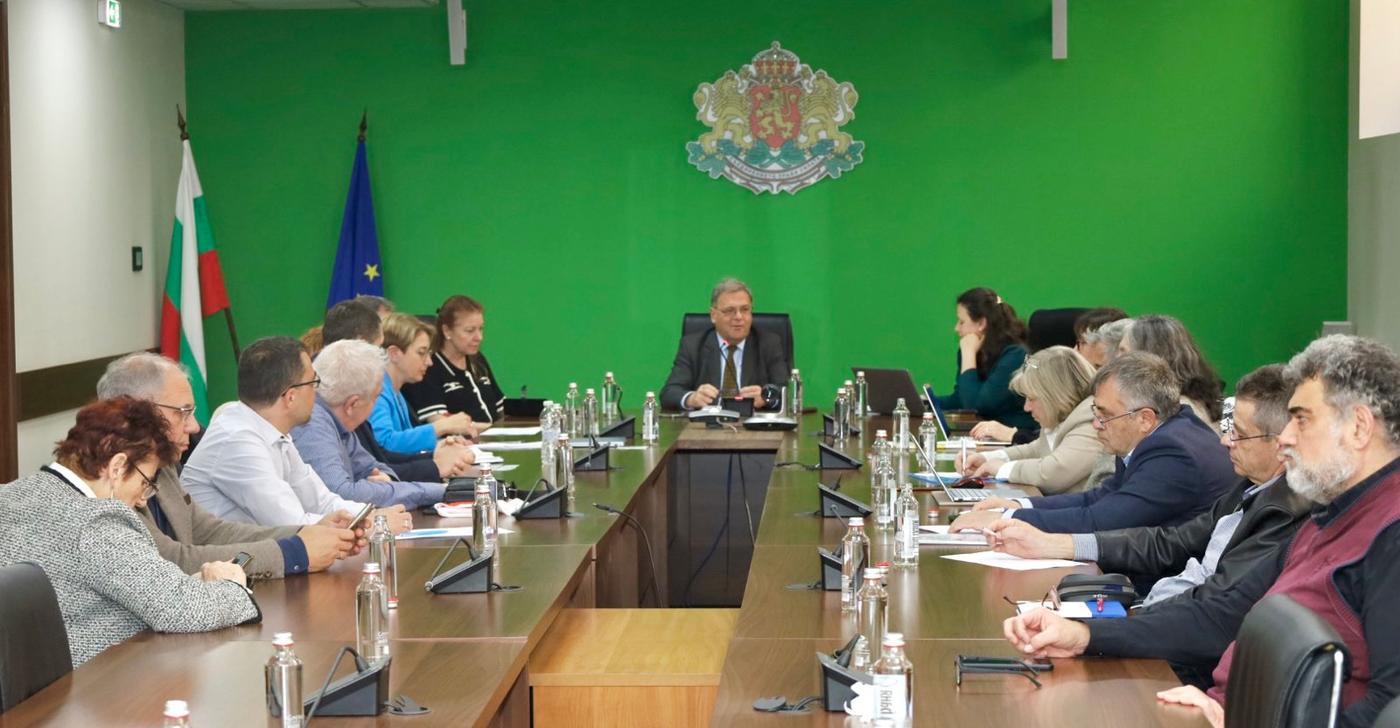

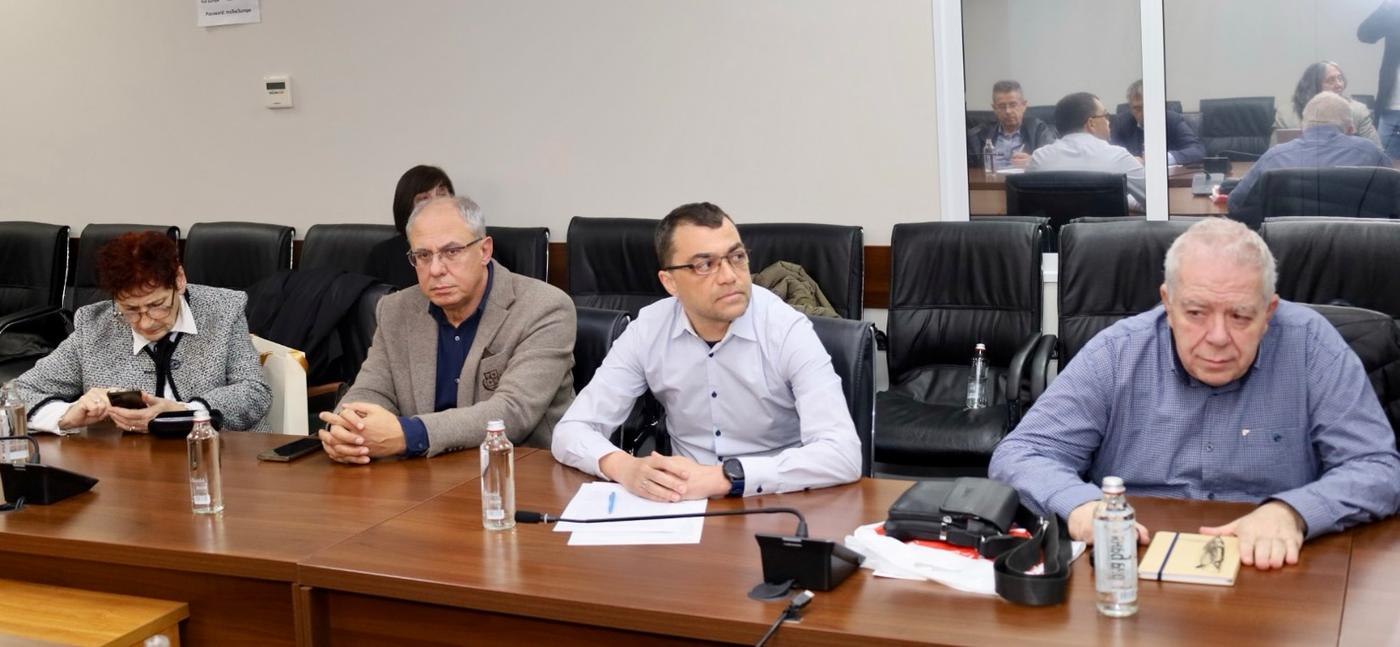
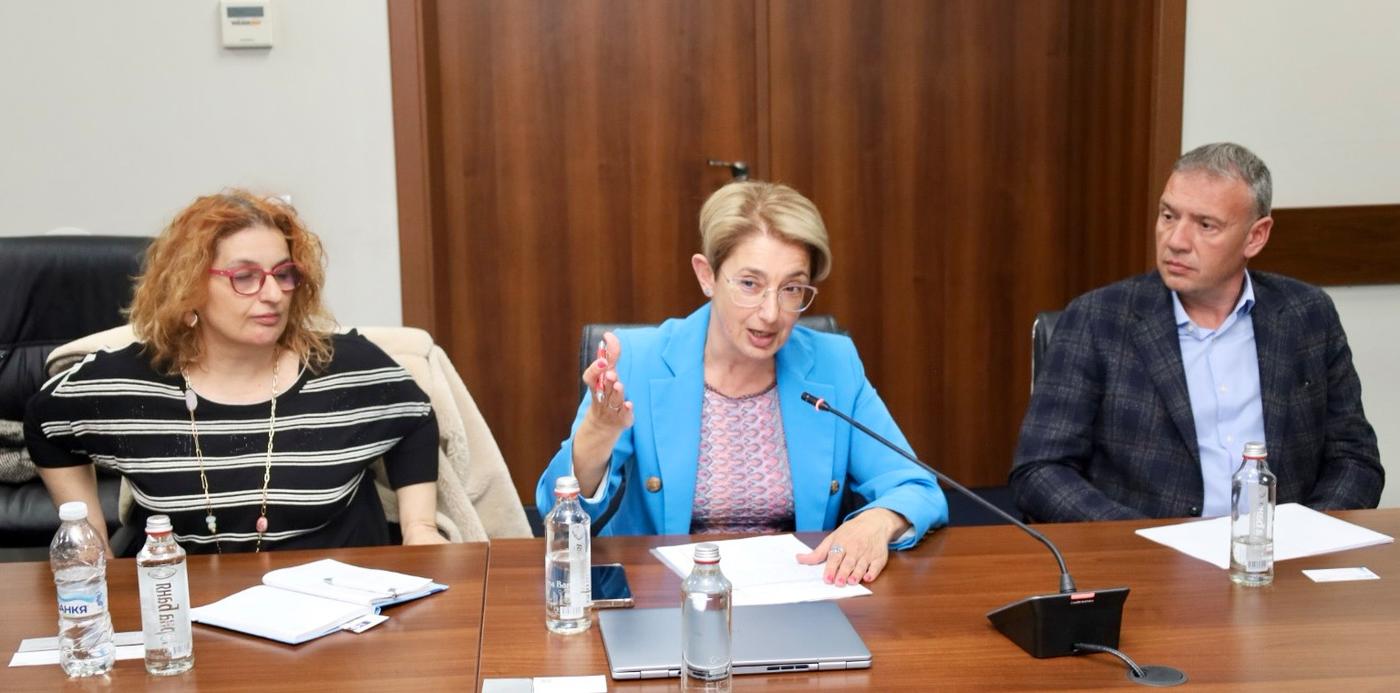
The Minister of Environment and Water Julian Popov met with representatives of industry organizations, employers from the industrial sector, and trade unions, whereby the diverse views on the implementation of the European Emissions Trading Scheme (ETS1 and ETS2) were discussed.
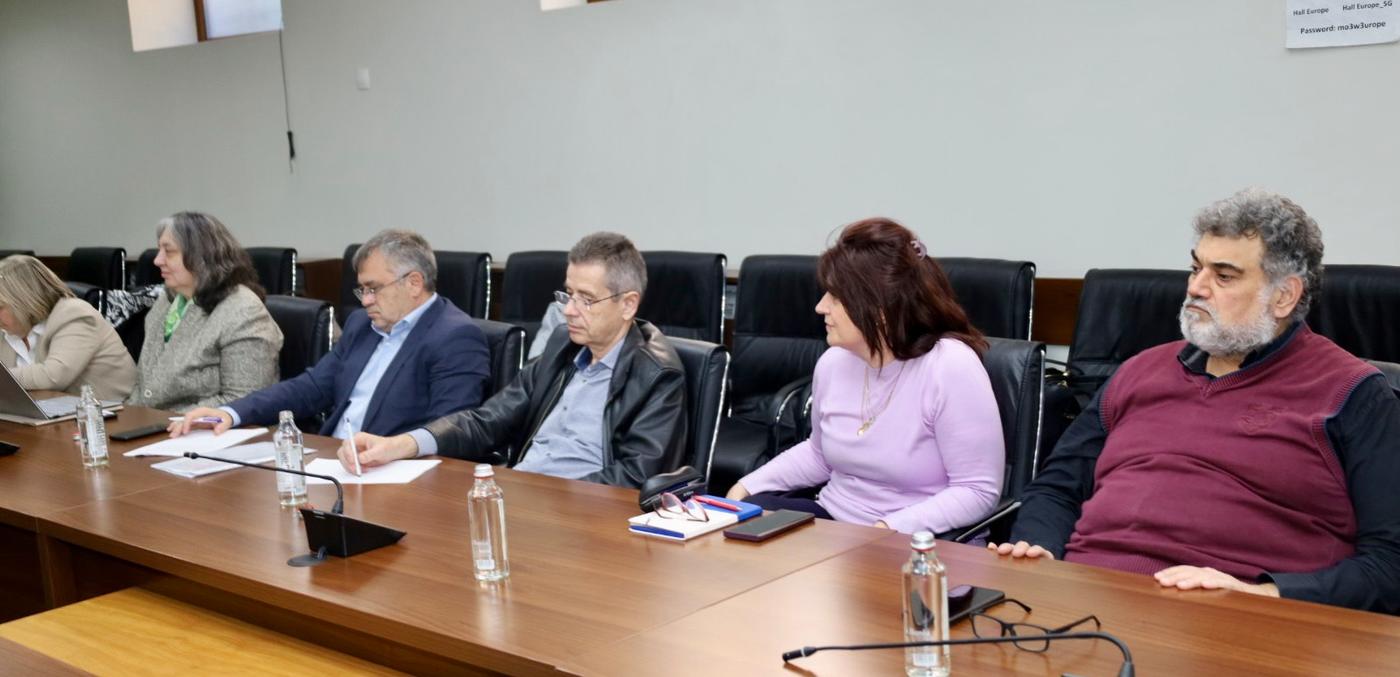
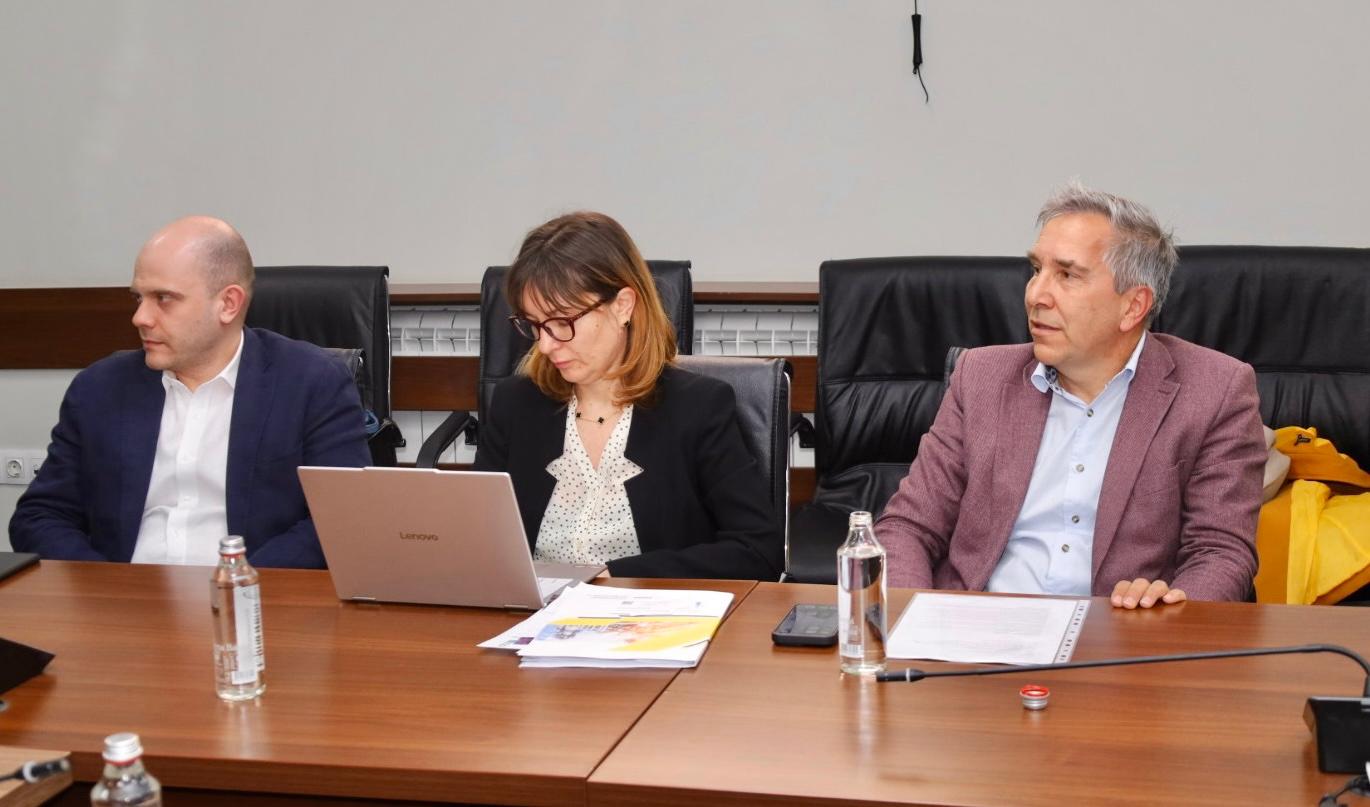
The discussion was attended by leaders and representatives of the Bulgarian Association of the Metallurgical Industry, the Bulgarian Association of the Cement Industry, the Association of Industrial Capital in Bulgaria, the Confederation of Employers and Industrialists in Bulgaria, the Bulgarian Federation of Industrial Energy Consumers, the Economic and Social Council of Bulgaria, and the Confederation of Independent Trade Unions in Bulgaria. They firsty expressed satisfaction with the opportunity provided by the Minister to discuss the topic, which has a direct impact on energy prices, the state of the industry, and the competitiveness of the economy. The participants united around the understanding that the importance of the topic makes it a strategic issue for the country, and not just an expert debate.
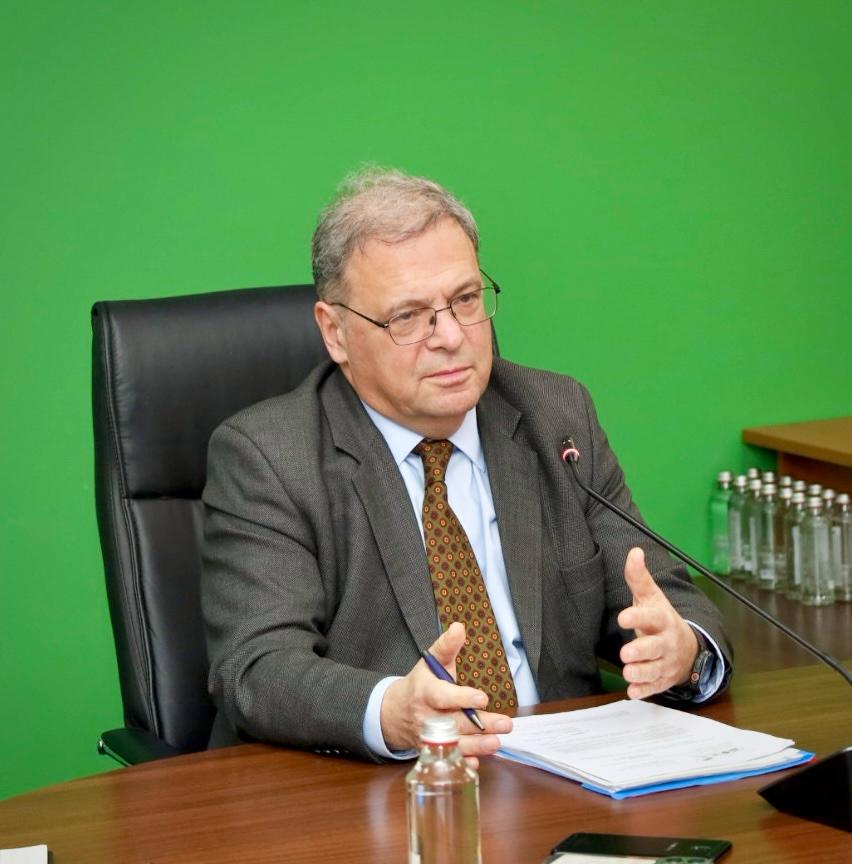
“The topic is not limited to ETS1, but includes a whole package of instruments - ETS2, the Carbon Border Adjustment Mechanism (CBAM), and the Social Climate Fund,” Minister Julian Popov emphasized in his introduction and noted that these mechanisms are interconnected and should be considered together to understand their real effect on the economy and society.
He pointed out that at the moment Bulgaria needs to develop a sufficiently clear and coordinated position at the European level, because a unified national position will work to protect the interests of the country. Agreement between institutions, experts and industry is necessary as a key condition for effective policy, the Minister emphasized and shared that he initiated this meeting with the desire to conduct a frank dialogue and reach agreement and understanding regarding the entire package of instruments.
“It is important to see what can be done to reach a common position or at least to clearly understand who stands on what position and what policies and steps should be taken from now on,” he shared.
The impact of ETS1 on the price of electricity is not indisputable, especially in countries like Bulgaria with a stronger share of coal-fired power generation, but the connection with consumer prices is not unambiguous, explained Julian Popov and once again emphasized that much more important than the price of emissions itself is how the revenues from this system are used. According to him, the key issue - about the use of revenues - draws attention to the real policy, and not to the mechanism itself.