Minister Julian Popov: Municipalities to take a more active role in waste and water management
24 Feb, 2026 | 19:30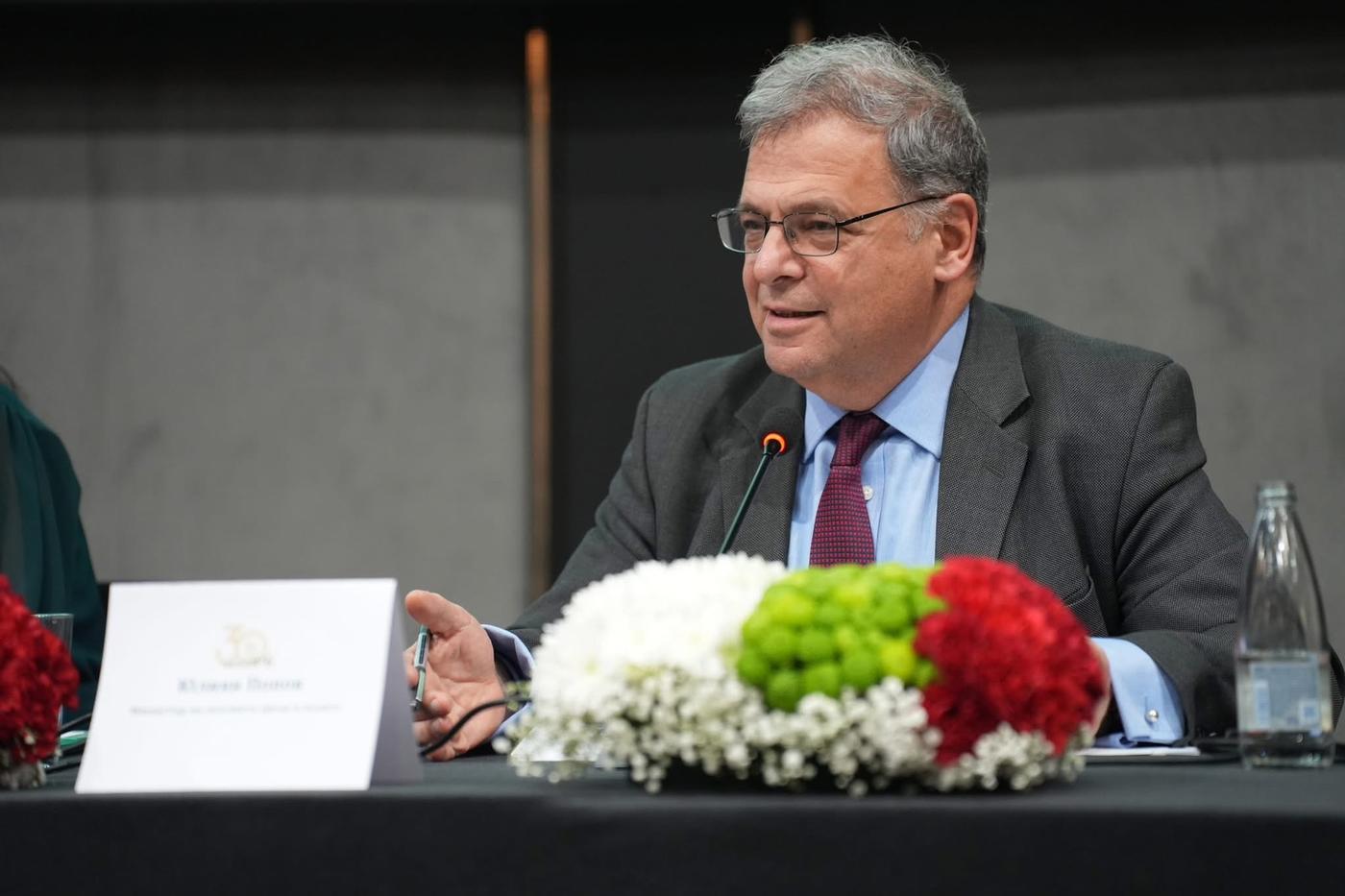
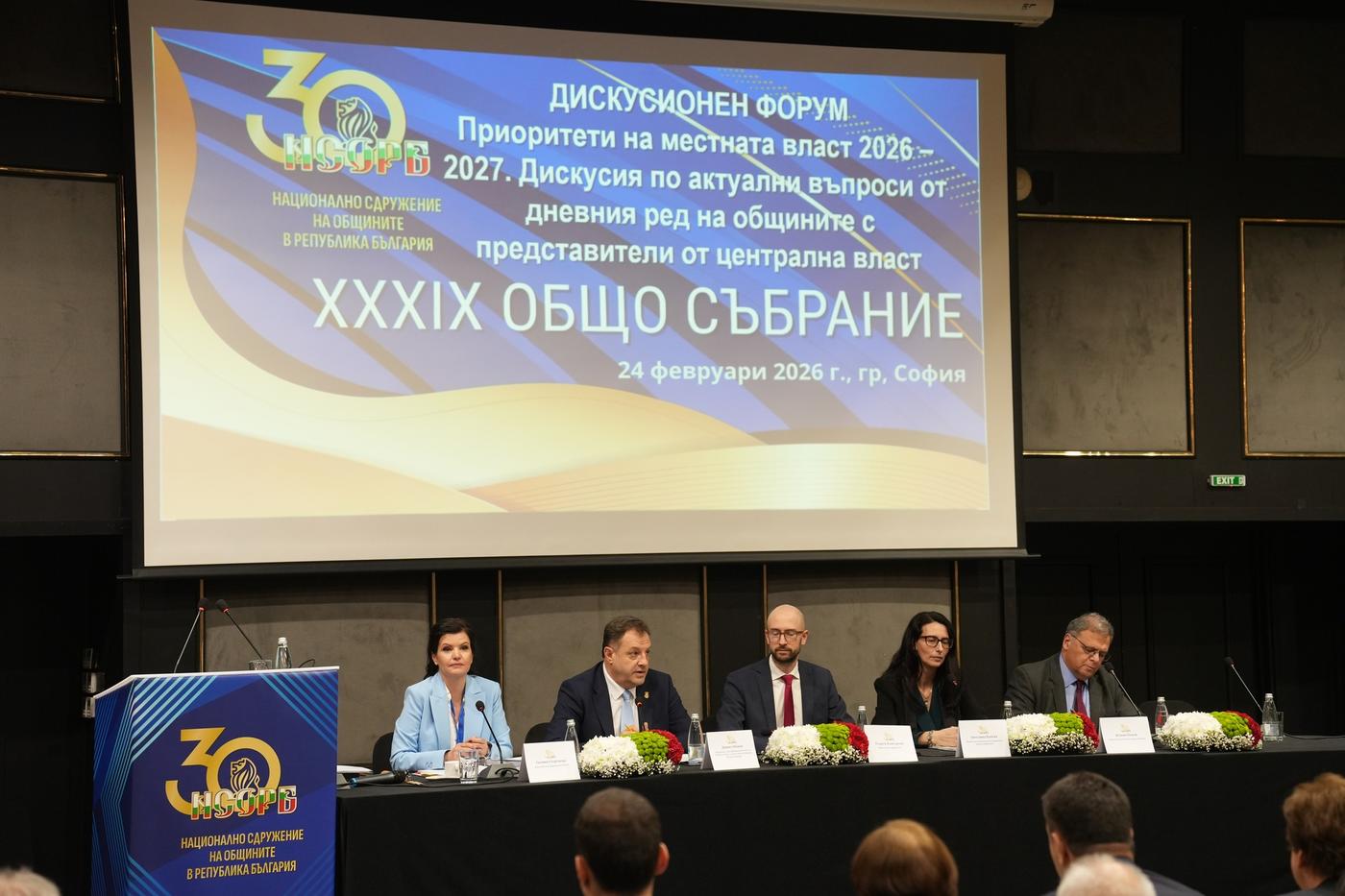
Municipalities should take a more active role in waste and water management. This was stated by the Minister of Environment and Water Julian Popov, during the 39th General Assembly of the National Association of Municipalities in the Republic of Bulgaria.
Minister Popov noted that there cannot be a universal solution for the “polluter pays” principle to have it simultaneously introduced in the same way in all municipalities. He assured that the introduction of this model will not lead to a multiple increase in the municipal waste fee, as was claimed, because its amount depends on the amount of waste disposed of, the level of separate collection, and recycling.
“The packaging deposit system must guarantee equality of participants and be open to competition in order to avoid monopolization. The system must not be state monopoly. In the coming days, we will discuss exactly what the position of the Ministry of Environment and Water will be. We are working rapidly on the reassessment of the deposit system,” said Minister Popov. And he added that it is key for Bulgaria to turn waste into a sought-after raw material in a well-regulated and transparent competitive environment.
According to Minister Popov, the water problem is very serious and is mainly due to poor management, not to lack of European funding. He reminded that in our country, water management is fragmented between different institutions - mayors, ministries, agencies, etc.
On the topic of climate change, he warned that the country must prepare for both droughts and floods, which may become more frequent without a significant change in the total amount of precipitation. Minister Julian Popov noted that the EU has set a goal of reducing emissions by 90% by 2040, which implies almost complete decarbonization of the industry. "Municipalities, the executive branch and industry need to keep this in mind. This is also related to climate change adaptation. How to prevent and respond to drought, floods, forest fires, and other extreme climate events is a matter of climate adaptation. There is a climate adaptation strategy that needs to be implemented at the local level," he added.