Minister Julian Popov: Science and open data are key to sustainable development
24 Mar, 2026 | 11:59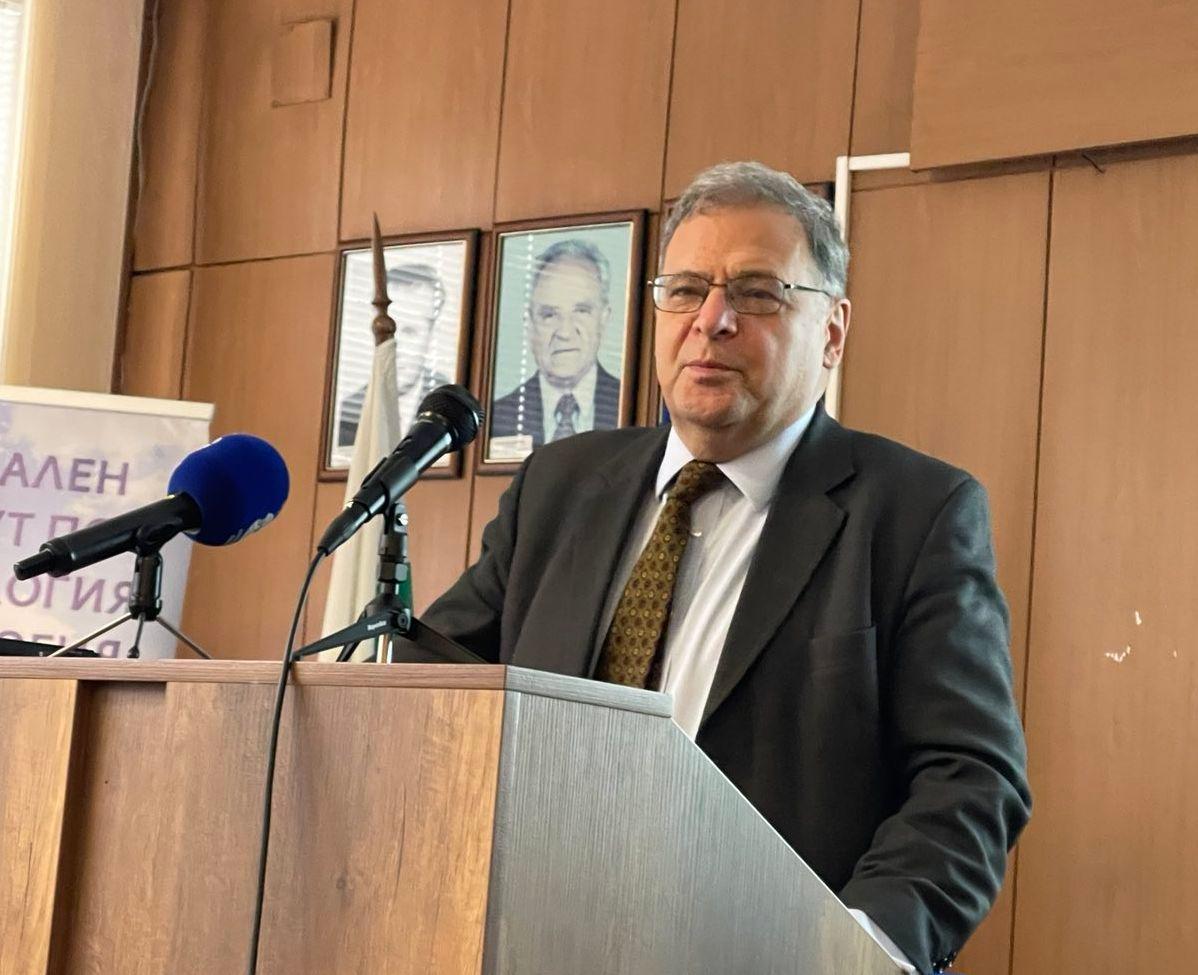
- The NIMH has created an open data portal accessible to all users
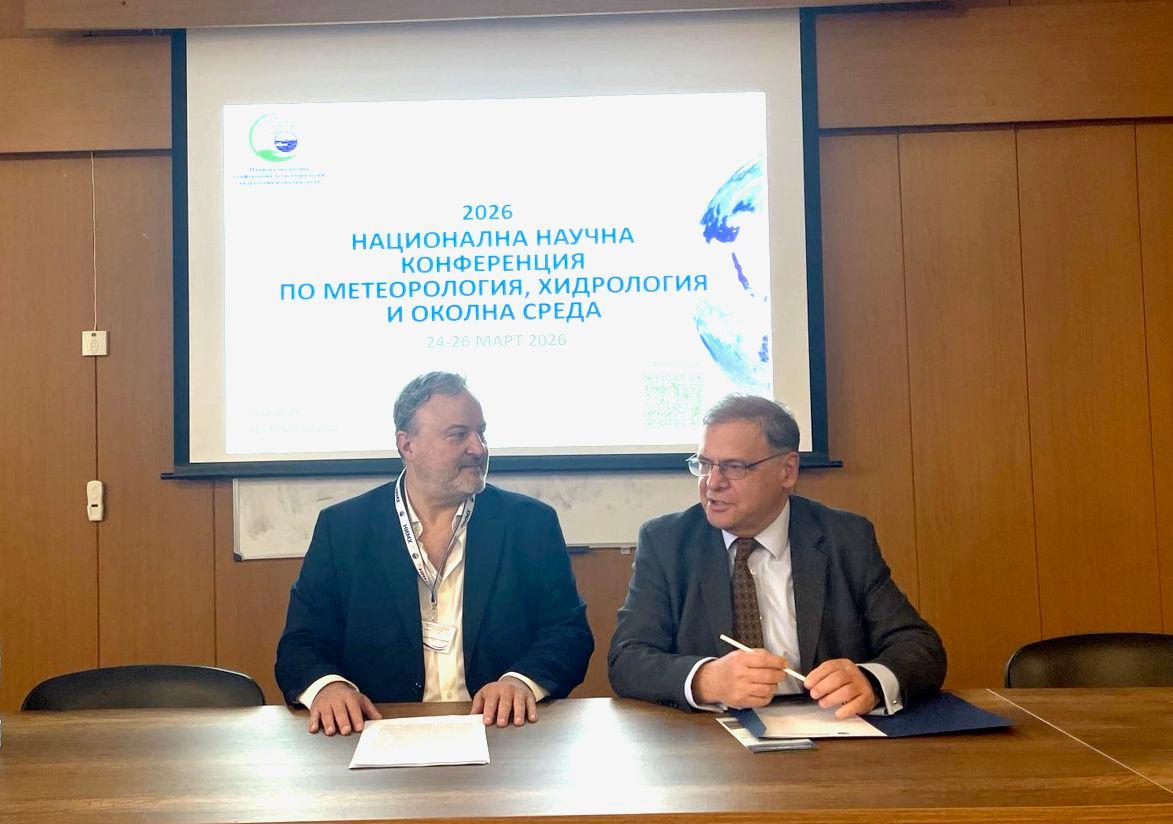
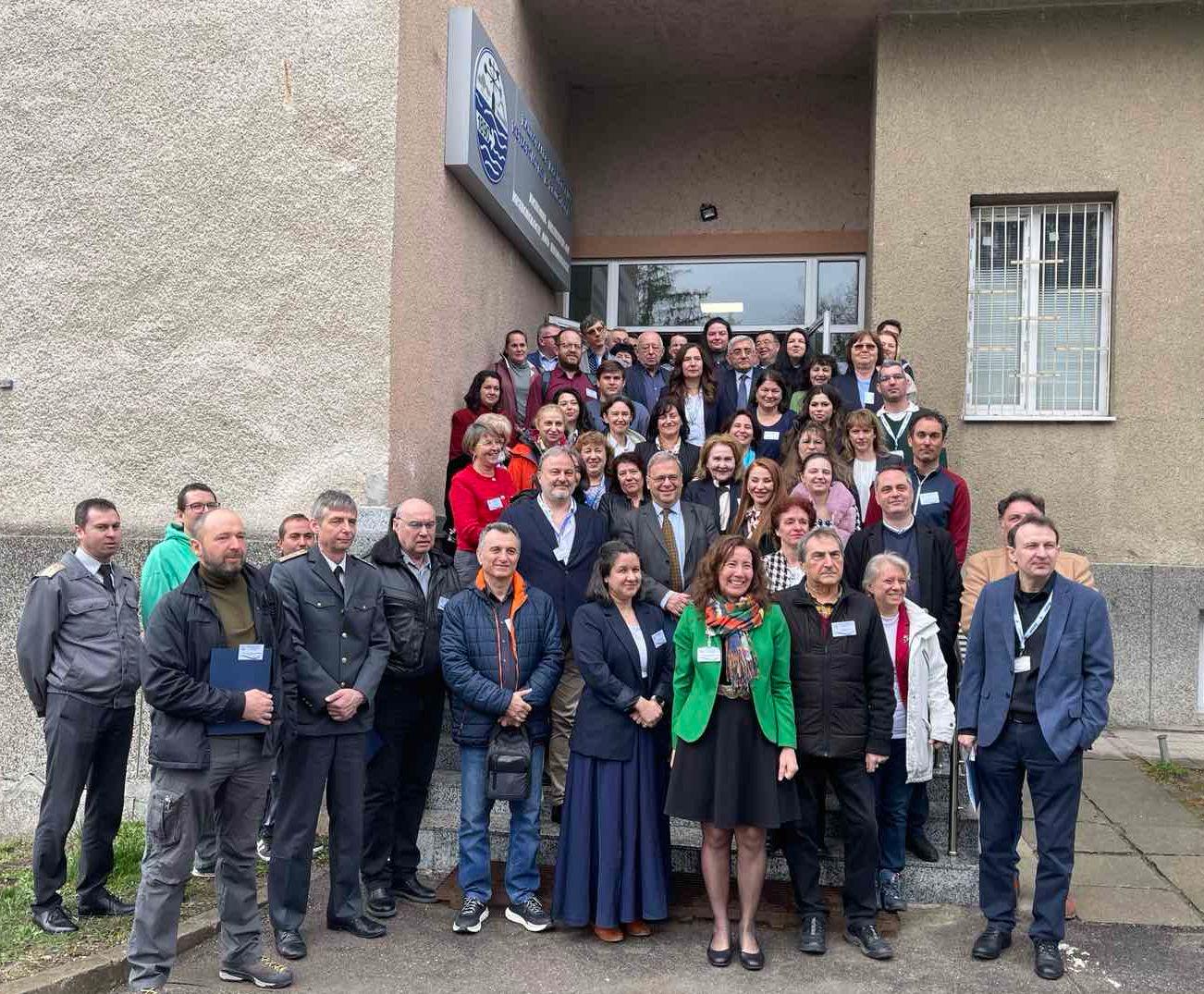
The Minister of Environment and Water Julian Popov opened the Third National Scientific Conference on Meteorology, Hydrology, and the Environment, organized by the National Institute of Meteorology and Hydrology in the period 24–26 March 2026. The forum brings together scientists and experts in fields related to risk assessment and forecasting of natural disasters, and is held on the occasion of the World Water Day - 22 March, and World Meteorological Day - 23 March.
"When data is accessible, every scientist can work with them to make analyses, models, and forecasts that benefit the entire society," emphasized Minister Popov, elaborating on the role of open data as a key resource for science, the economy, and effective public policies.
The Minister noted that the importance of scientific data goes far beyond the environmental sector and is directly related to economic development. The Bulgarian business community, and especially the energy sector, are increasingly dependent on reliable data and forecasts, especially in the context of growing geopolitical and climate risks.
He emphasized that a significant part of the data is collected with public funds, but is often not published, which means that the state does not receive the full value of the performed monitoring and that this data is not used to its full potential. “When we pay for the collection of data with public funds, it must be accessible in order to bring real value to society,” emphasized Minister Popov. In his words, it is the primary, unprocessed data that have the greatest value, as they allow scientists and researchers to conduct independent analyses and develop solutions with real application. “Free access to such data is key to Bulgaria’s integration into the global scientific community, to improving public policies and to achieving sustainable development, including in the areas of energy, agriculture, and risk management,” he added.
Regarding the scientific funding, Minister Popov emphasized that science is in a difficult situation not due to a lack of capacity, but due to insufficient and ineffective funding. According to him, Bulgaria invests about 0.7–0.8% of the gross domestic product in scientific activity, compared to an average level for the European Union of about 2.5%. These funds largely cover the current expenses of scientific institutions, without providing sufficient resources for real research activity, and the participation of the private sector remains limited.
The Director General of the National Institute of Meteorology and Hydrology Assoc. Prof. Ilian Gospodinov emphasized that the institute is actively moving towards an expanded regime of providing open data in the field of meteorology and climatology. He noted that at present the NIMH provides free access to a significant part of the monitoring data, but they have not always been sufficiently visible and easy to use.
According to him, in implementation of the policy for greater transparency and at the initiative of Minister Popov, a specialized portal for open data has already been created, which operates in an experimental mode on the Institute’s website. It publishes datasets organized in a machine-readable format, with an initial historical scope provided, with the prospect for expansion.
“The goal of the portal is to provide primary data – both current and historical – in a machine-readable format that can be freely used for scientific research and analysis,” said Assoc. Prof. Gospodinov. He added that new datasets, including long-term series that are essential for the scientific community will be added in the coming months. The Director General invited the conference participants and all interested parties to use the new portal, expressing his expectation that the first results of the data opening process will be reported at the next edition of the forum.