Minister Julian Popov: We are working on the issue of odors and are moving towards its solution
27 Mar, 2026 | 16:39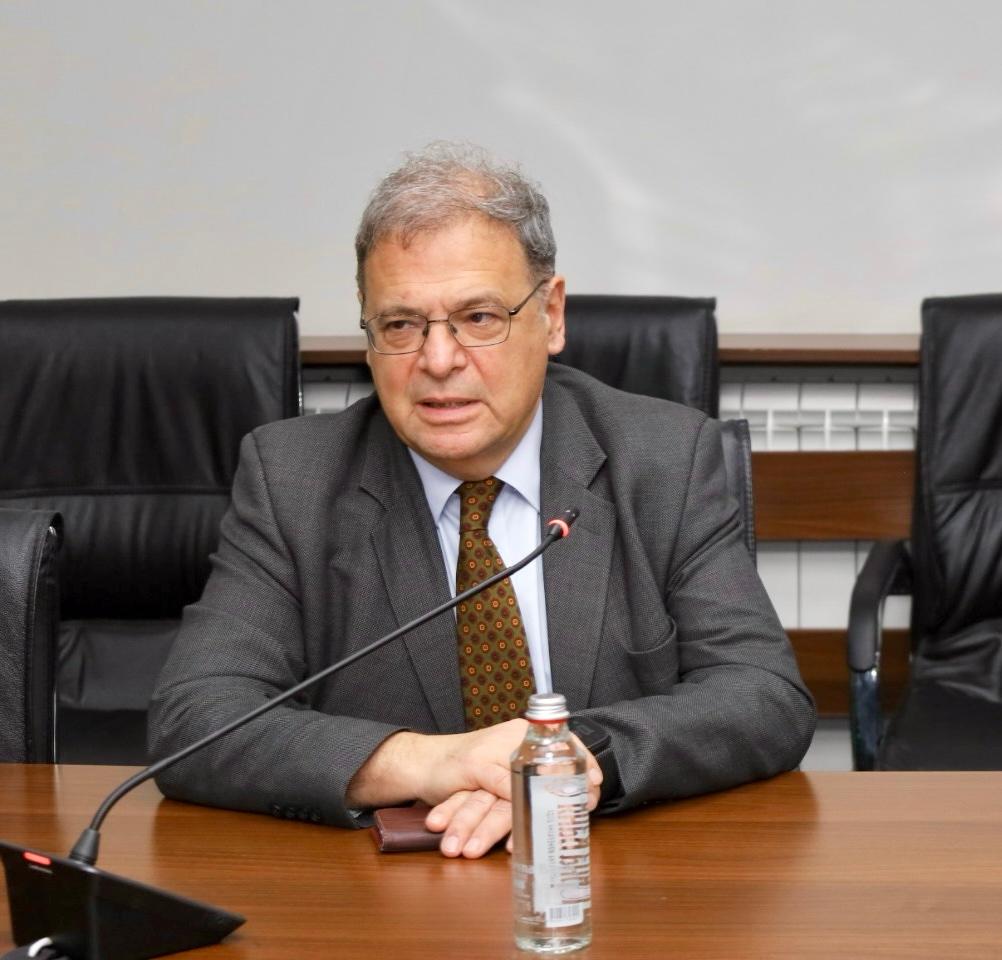


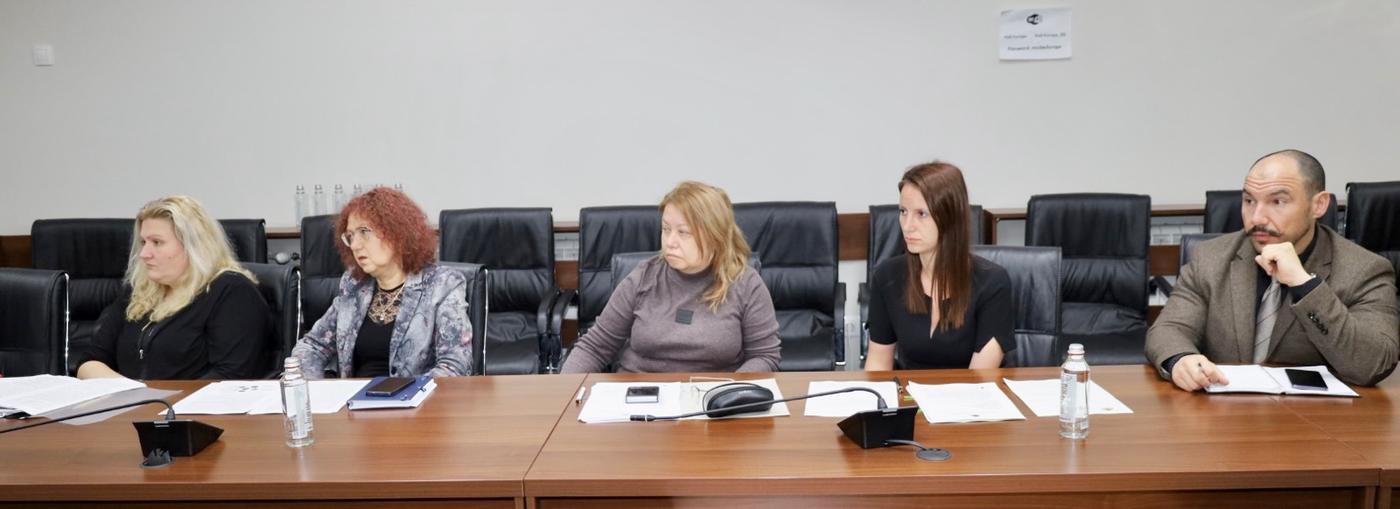
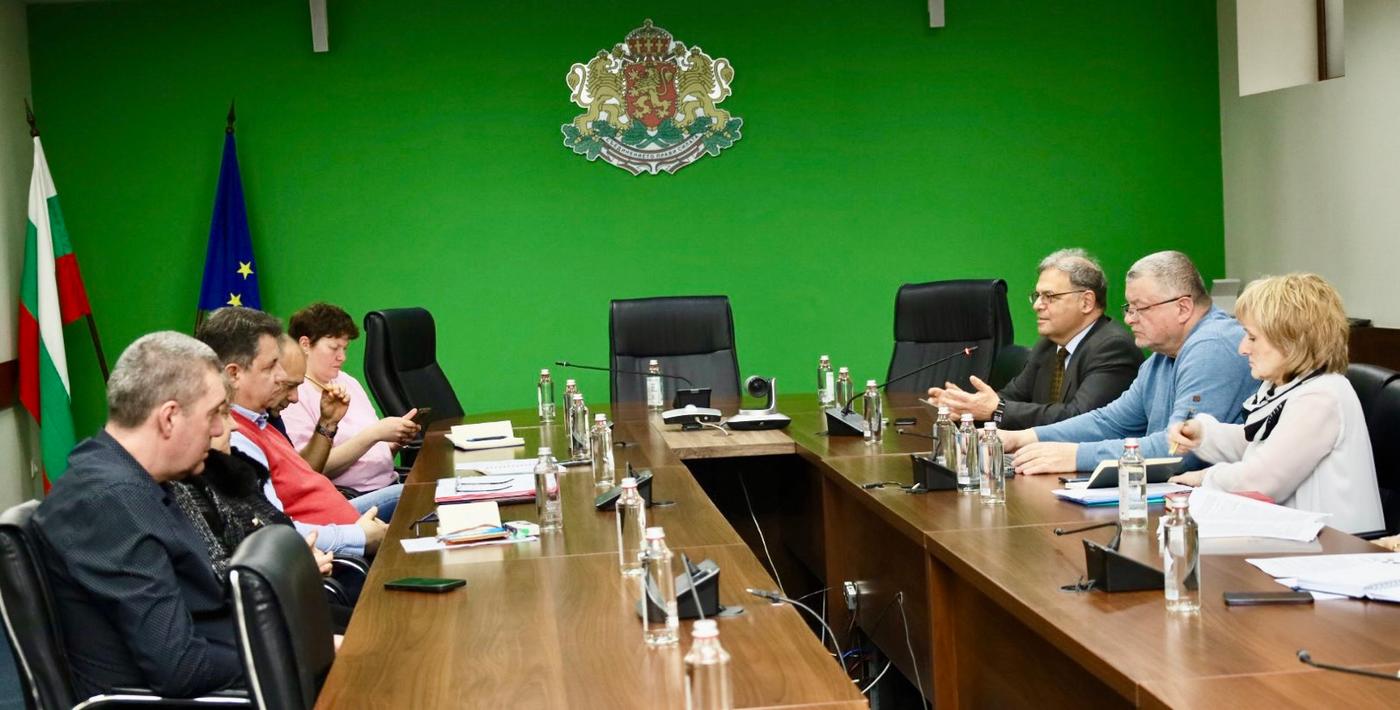
On initiative by the Minister of Environment and Water Julian Popov, a meeting among the responsible institutions relevant to policies for dealing with the impacts of odors was held at the Ministry of Environment and Water.
Representatives of four ministries were present - of health, of regional development and public works, of labor and social policy, and of environment and water.
The experts present united around the understanding that the topic of odors falls into an area of fragmented competencies – shared by the environment and health ministries, local governments, and control bodies. There is no clearly defined leading body, which makes managing the problem difficult and requires shared responsibility between institutions.
Minister Julian Popov recalled that efforts to deal with the problem began two years ago, when the experience of nearly 28 countries was studied, from which it is clear that there is no common European directive that defines what "odor" is and how it should be regulated. This leaves the countries to seek their own solutions. Different models exist in different countries – national regulations, sectoral restrictions (for example, in agriculture), regional regimes or even local regulations. There is practically no unified approach.
The task of uniting institutional efforts becomes even more difficult to solve due to the fact that odors are a subjective experience and are assessed by people, not by devices, specified Minister Popov. According to him, there is often a smell, but there is no violation – in a number of cases a strong smell is detected, but all measured air quality indicators are within the norms. This creates tension in society, because institutions do not have a legal basis for sanctions.
The problems begin at the planning stage and require complex solutions, coordination with the regional health inspectirate (RHI), municipalities, the Ministry of Regional Development and Public Works and other bodies, especially when it comes to health or spatial planning aspects, pointed out Julian Popov. The construction of residential areas near industrial sites is often allowed. "This leads to future conflicts that are difficult to resolve later, and the high public sensitivity on the topic requires institutions to show that they are working on a solution, even when the problem is complex and difficult to measure," summarized the Minister.
He pointed out that after the analysis, the next step is to create a working group to propose specific measures - legal or regulatory.
At this first exploratory meeting, specific positions were expressed on the search for working regulatory mechanisms that would integrate the policies of individual ministries. There is a common understanding that local authorities should also be involved in this process due to their direct responsibilities in the planning of hygienic protection zones, and that it is necessary to introduce a regulatory obligation for the odor problem to be identified at the earliest stage for each investment intention.
"We must be able to tell the people of Bulgaria: we are working on the issue and moving towards its solution," said Minister Julian Popov with conviction.