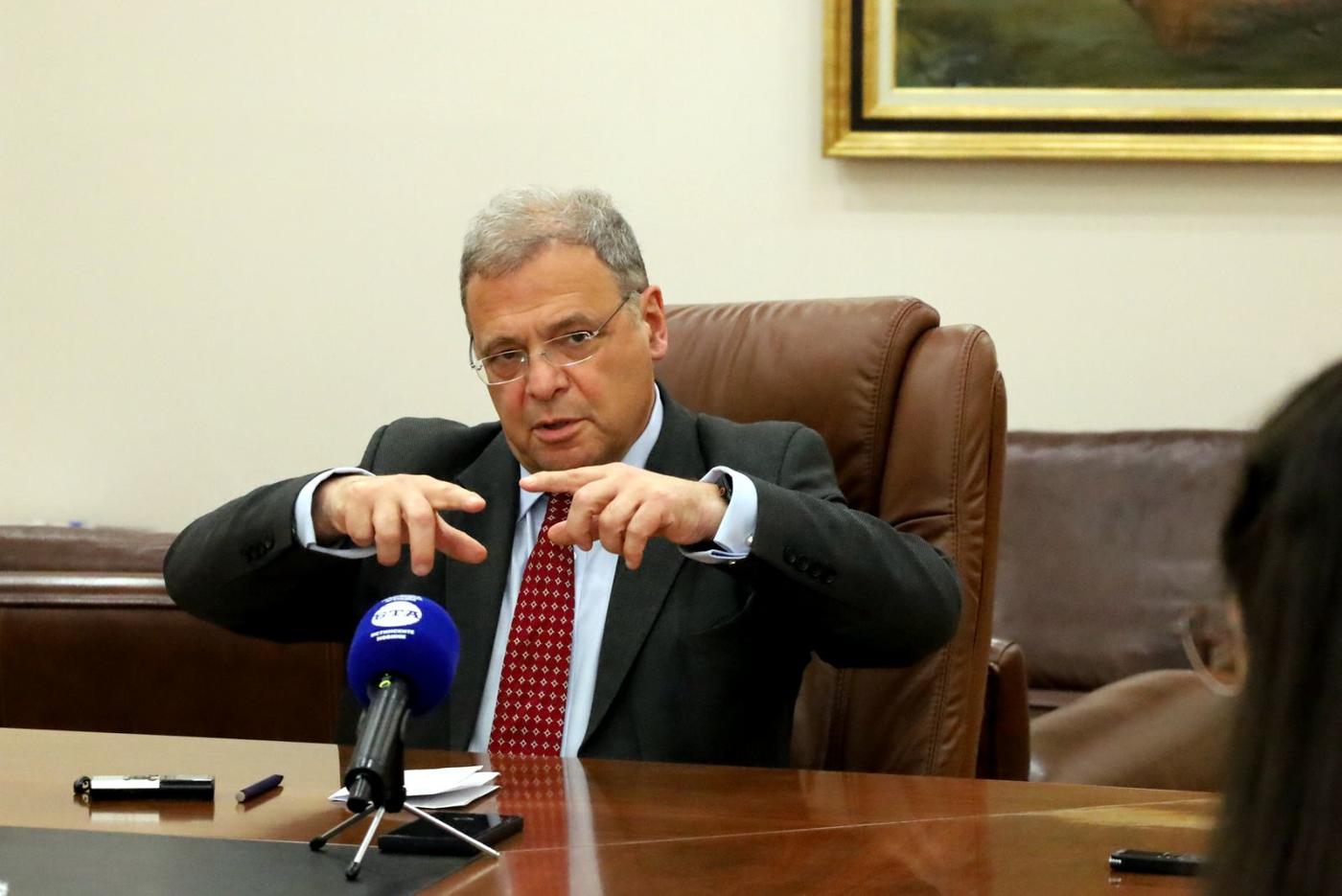
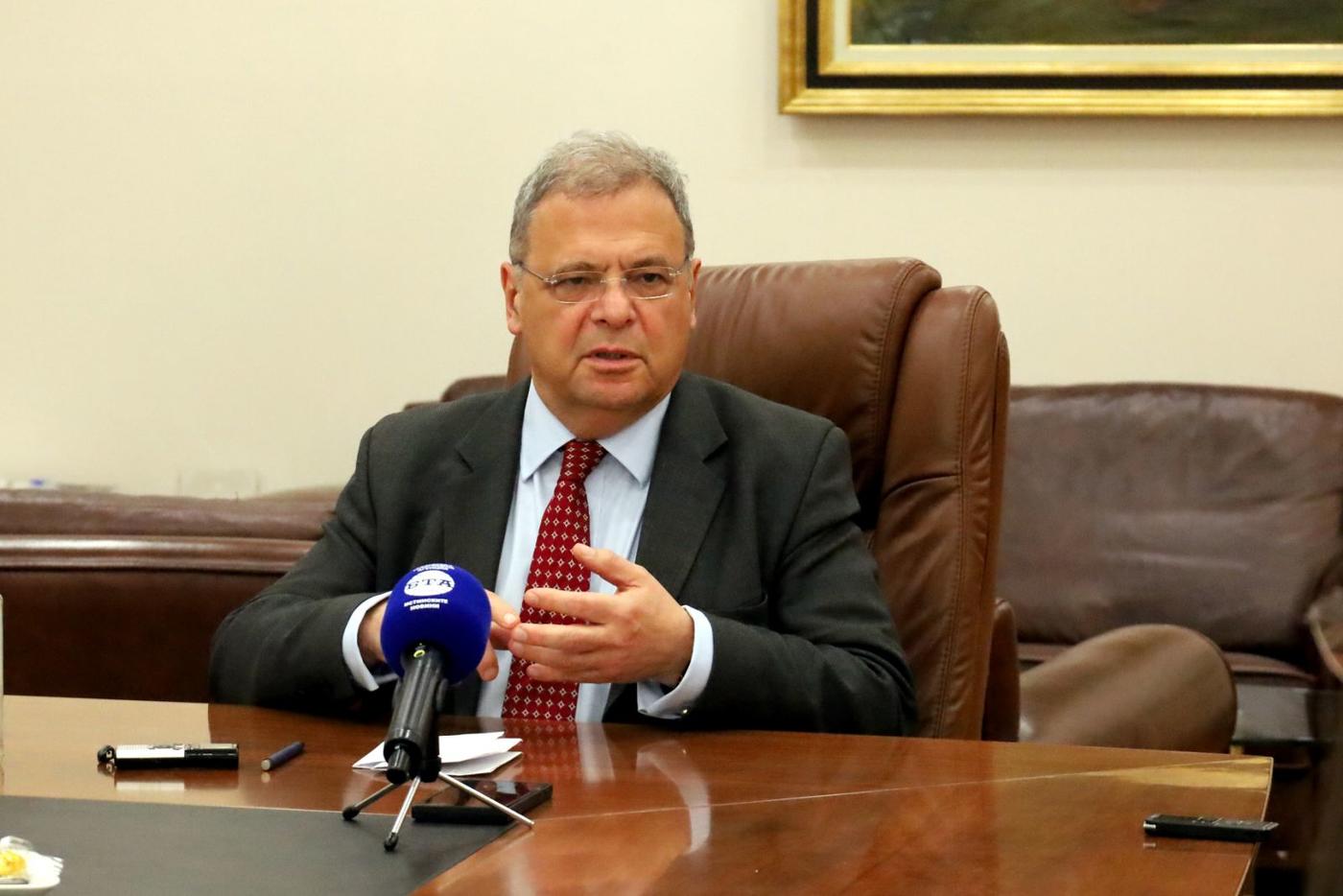
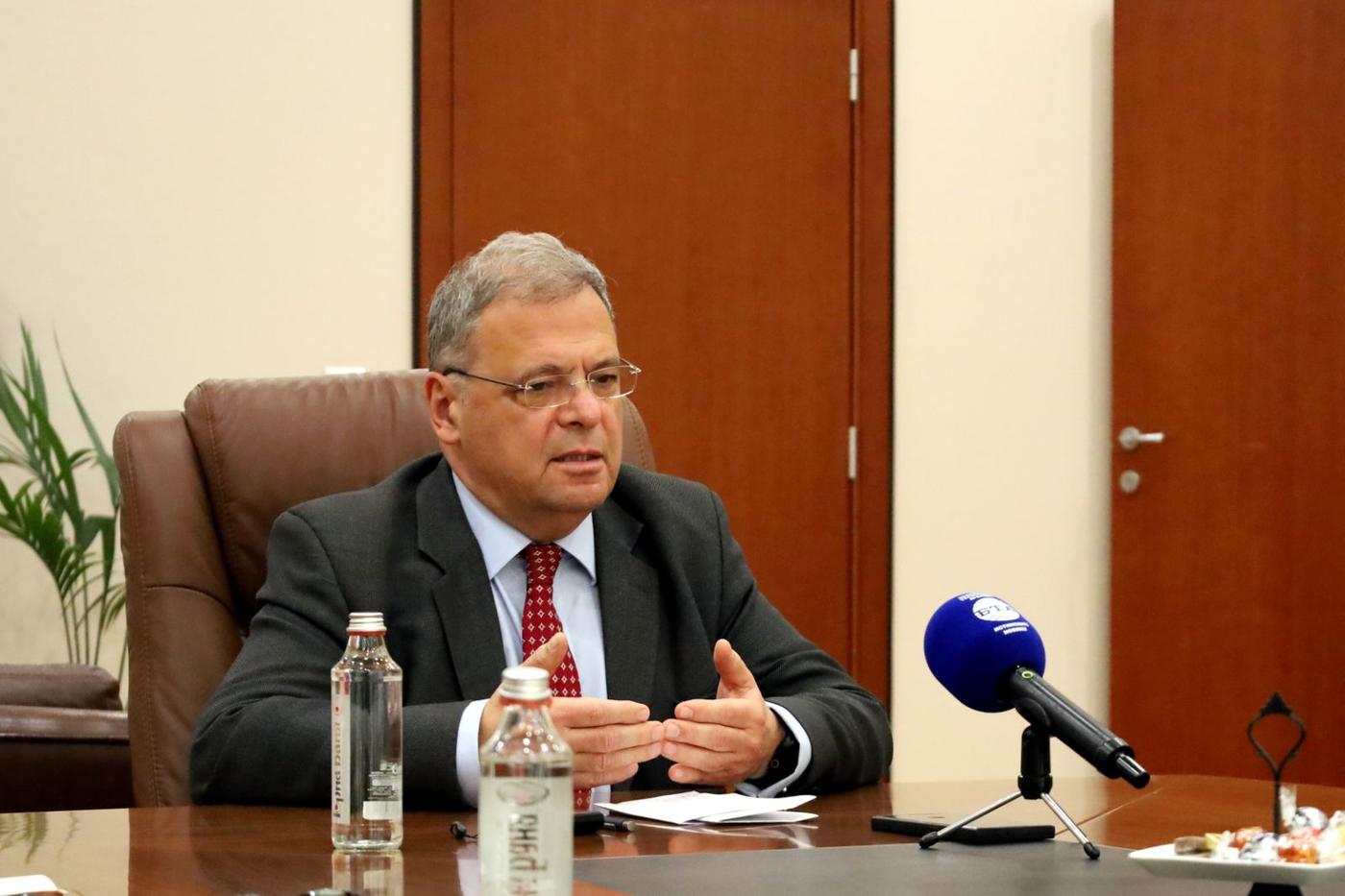
Minister Julian Popov: We have laid the groundwork for reforms in sectors of water, waste, and science, and the next stage requires consistency
05 May, 2026 | 17:52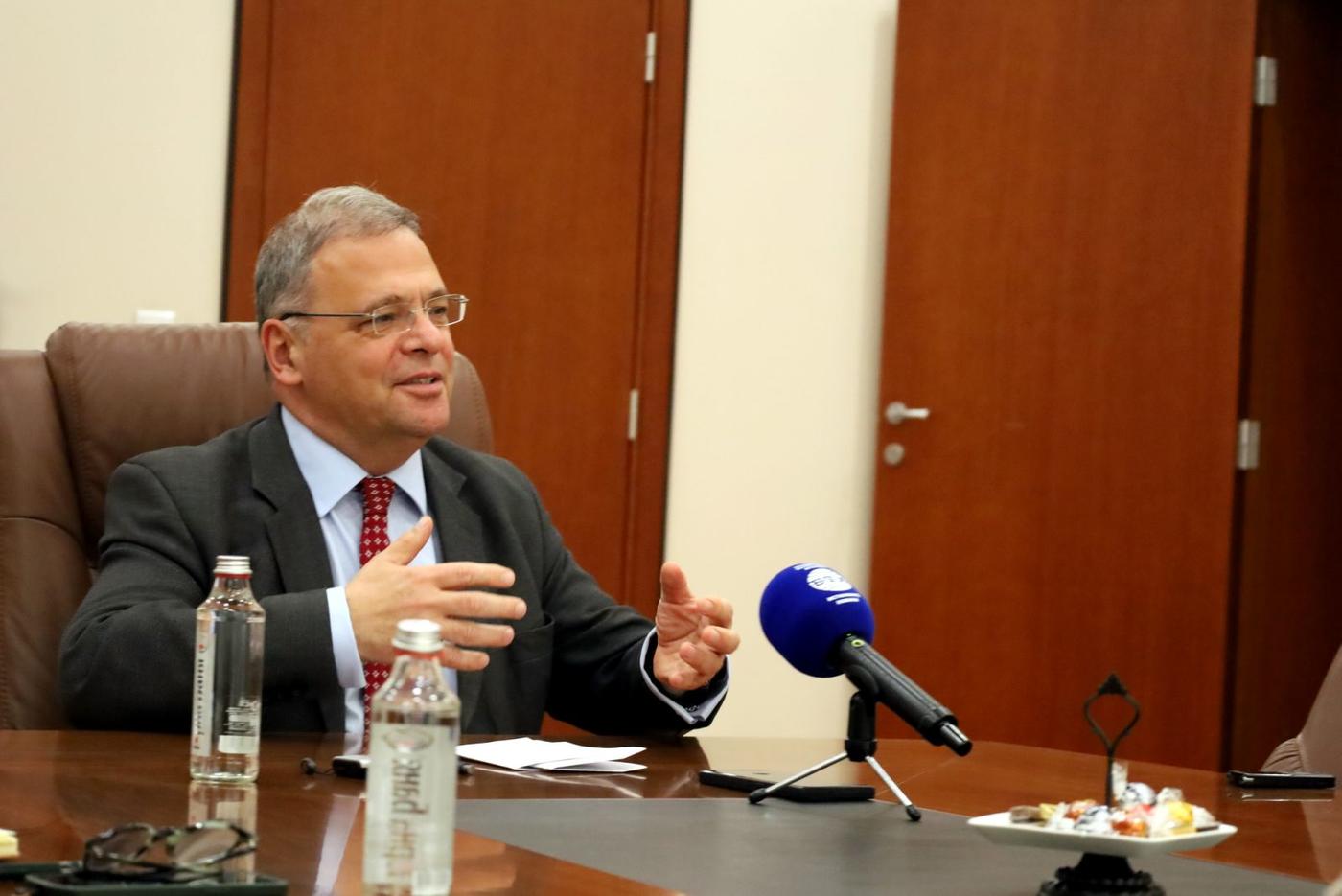
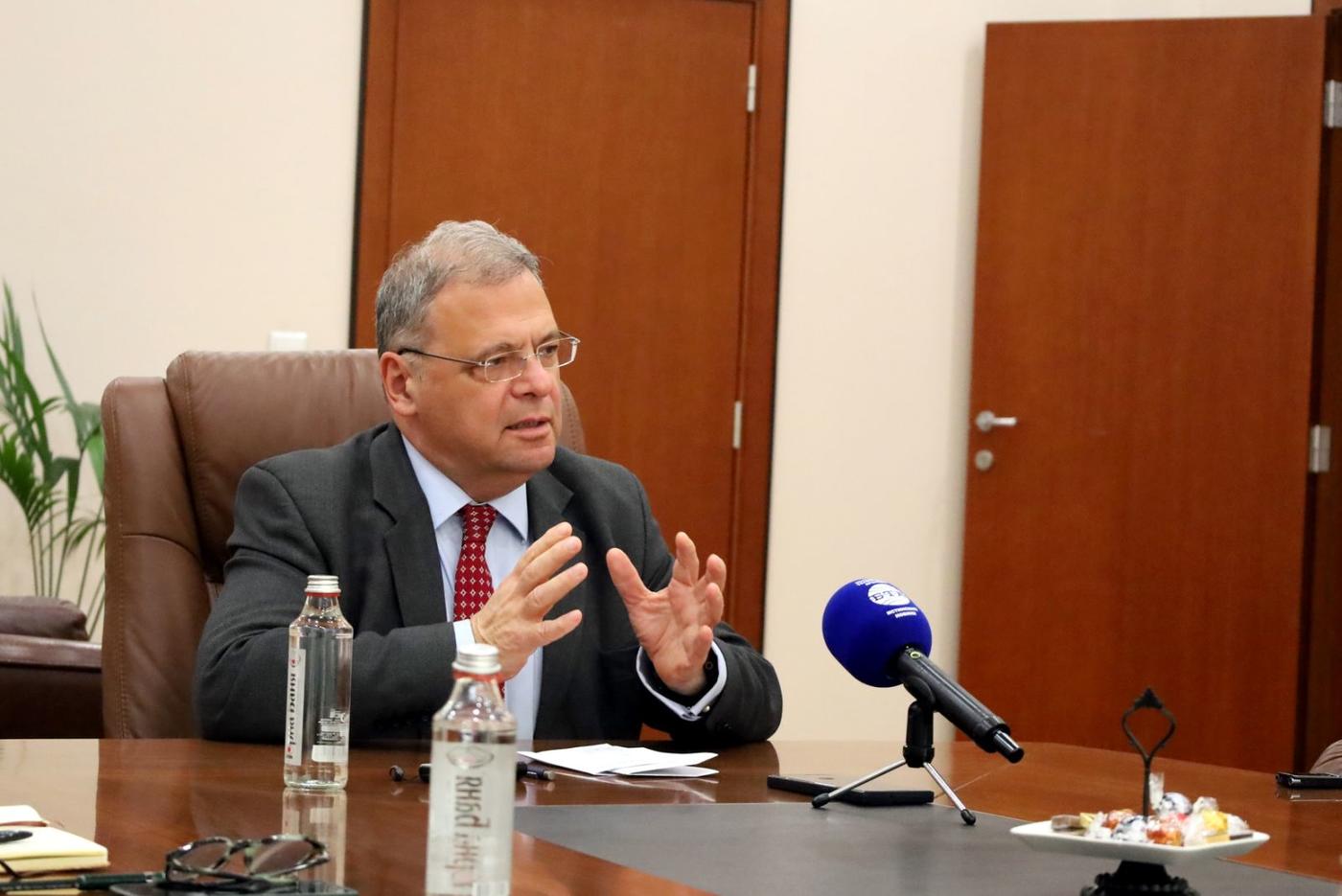
- The caretaker cabinet’s main task has been fulfilled: fair elections and a result that reflects the will of the citizens
Minister Julian Popov reports that the second main task facing his cabinet at the Ministry of Environment and Water has also been fulfilled—ensuring the sustainability of core processes and ongoing work, while simultaneously launching key reforms in the “Water,” “Waste,” and “Science” sectors.
During this brief period in office, efforts were focused on ensuring continuity in the work of institutions and on launching systemic changes to be built upon by the next regular government.
“During this term, we sought not merely to maintain the system, but to revitalize key sectors and lay the groundwork for long-term solutions,” stated Minister Popov.
Water crises – a strategic focus
Among the main priorities was the issue of water. Minister Julian Popov prepared the report “Bulgaria’s Water Crises: Analysis and Solutions,” which examines the problem as a complex bundle of interrelated crises—water shortages for the population, irrigation problems, drying up of rivers, and a lack of adaptation to climate change.
The document lays the groundwork for future reforms in water resource management and emphasizes the need for depoliticization, better coordination, system modernization, and long-term policies.
Waste Management – Real Changes Underway
In the “Waste” sector, which has long been in a dire state, Minister Julian Popov has taken concrete steps toward reform. Key regulations have been amended, control and accountability mechanisms have been improved, and the system has been “brought to light” through greater transparency.
Among the main results is progress on the introduction of a deposit system for packaging, which is expected to lead to a cleaner stream of waste for recycling and greater efficiency of the system . The draft bill amending the Waste Management Act regulates the introduction of the deposit system, which will result in improved separate collection and the achievement of recycling targets.
Investments in Scientific Research – A New Approach
Minister Julian Popov put efforts to implement a new approach to funding environmental research. The goal is for public funds used for expert analyses and consultations to be directed toward creating tangible scientific outputs and sustainable capacity.
In this regard, consultations were held with the Bulgarian Academy of Sciences and the academic community to achieve better integration between science, data, and public policies.
Open Data and a Better Investment Environment
As part of the modernization efforts, Minister Julian Popov initiated the publication of primary environmental data in an open format. This facilitates scientific research, improves governance, and creates conditions for accelerating investment processes, including through more efficient environmental impact assessment procedures.
Maritime Policies and the Black Sea
Minister Julian Popov has also made progress in developing policies for the Black Sea, including through legislative changes to improve monitoring of the marine environment—to be carried out by the Executive Environment Agency—as well as the creation of a specialized “Black Sea” unit within the Ministry of Environment and Water.
Active efforts are underway to strengthen international cooperation with countries in the region, including Romania, as well as to develop scientific infrastructure related to marine research.
Among the strategic initiatives is the development of the island of Sts. Cyrik and Julita as a future cultural and scientific center of national and international significance.
Protection of Nature and the Urban Environment
Minister Julian Popov launched the process of mapping dunes, which will ensure more effective protection of coastal natural sites and will be carried out according to the established and internationally recognized Methodology for Mapping Dunes, developed by scientists during his previous term at the Ministry of Environment and Water.
The “Sofia – City of Rivers” initiative was also developed, aimed at the ecological restoration of urban rivers as part of modern blue-green infrastructure.
Faster and more efficient procedures
As a key direction for future action, Minister Julian Popov highlighted the need to shorten the timelines for environmental procedures without compromising environmental standards. Optimizing these processes could lead to a significant acceleration of investments and an improvement in the economic environment.
The Minister emphasized that the processes already underway require consistency and further development to yield real and sustainable results.
In conclusion, Julian Popov noted that the caretaker government’s main task—conducting fair elections—had been successfully accomplished. In his words, the institutions worked in coordination to ensure trust in the electoral process, and the results reflect the true will of the citizens. “As a citizen and a voter, I can say that I feel the elections truly reflect what people want,” he noted.
“Within such a short term in office as the one of the caretaker government, it is difficult to complete everything that has been started, which is why continuity in governance and consistency in efforts are truly very important,” stated Minister Popov. He will hand over to the new Minister of Environment and Water a report on the actions taken during the caretaker term — both completed and currently in progress that require further steps for their implementation.