Minister Karamfilova: Only together we can restore nature
17 Jun, 2026 | 16:11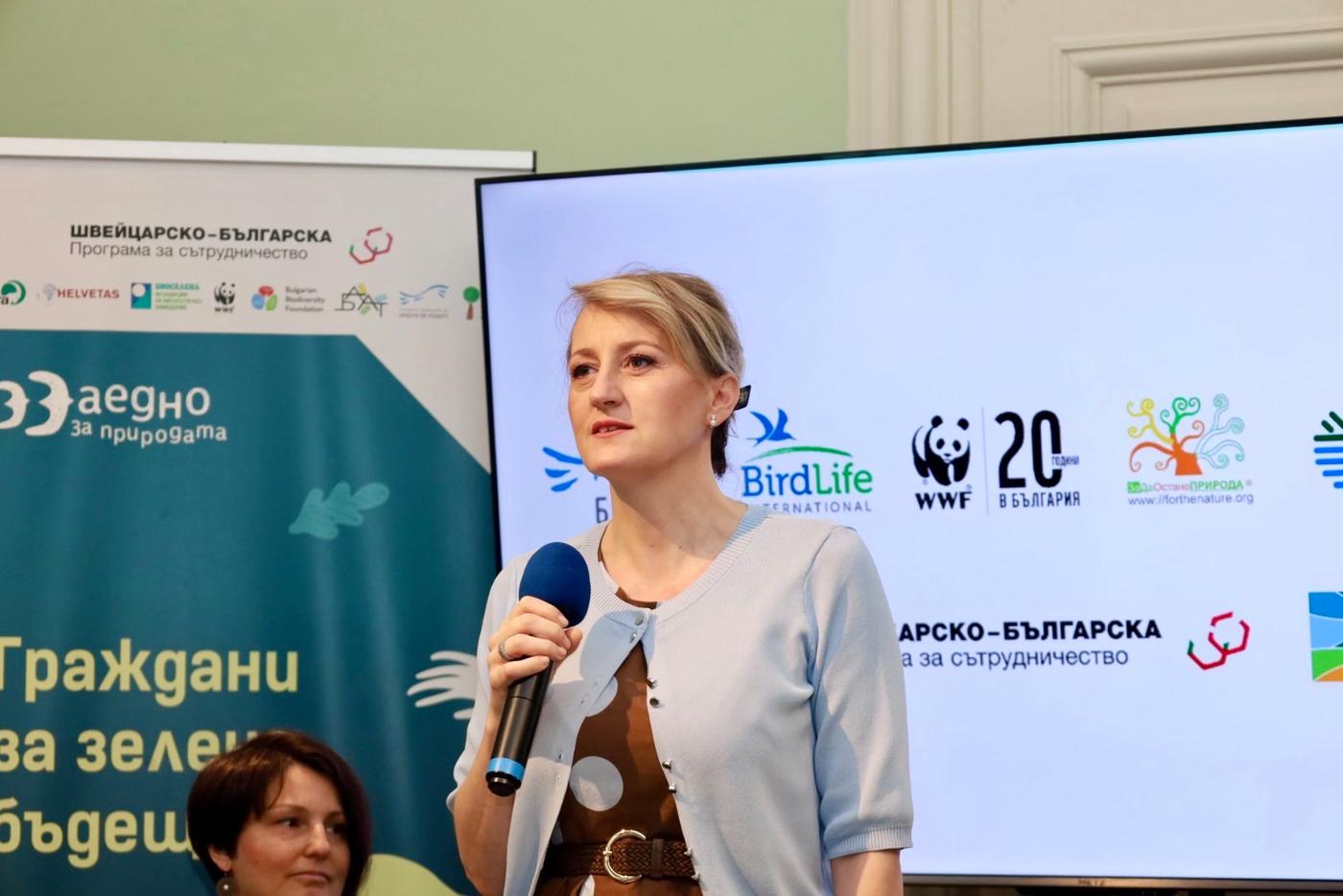
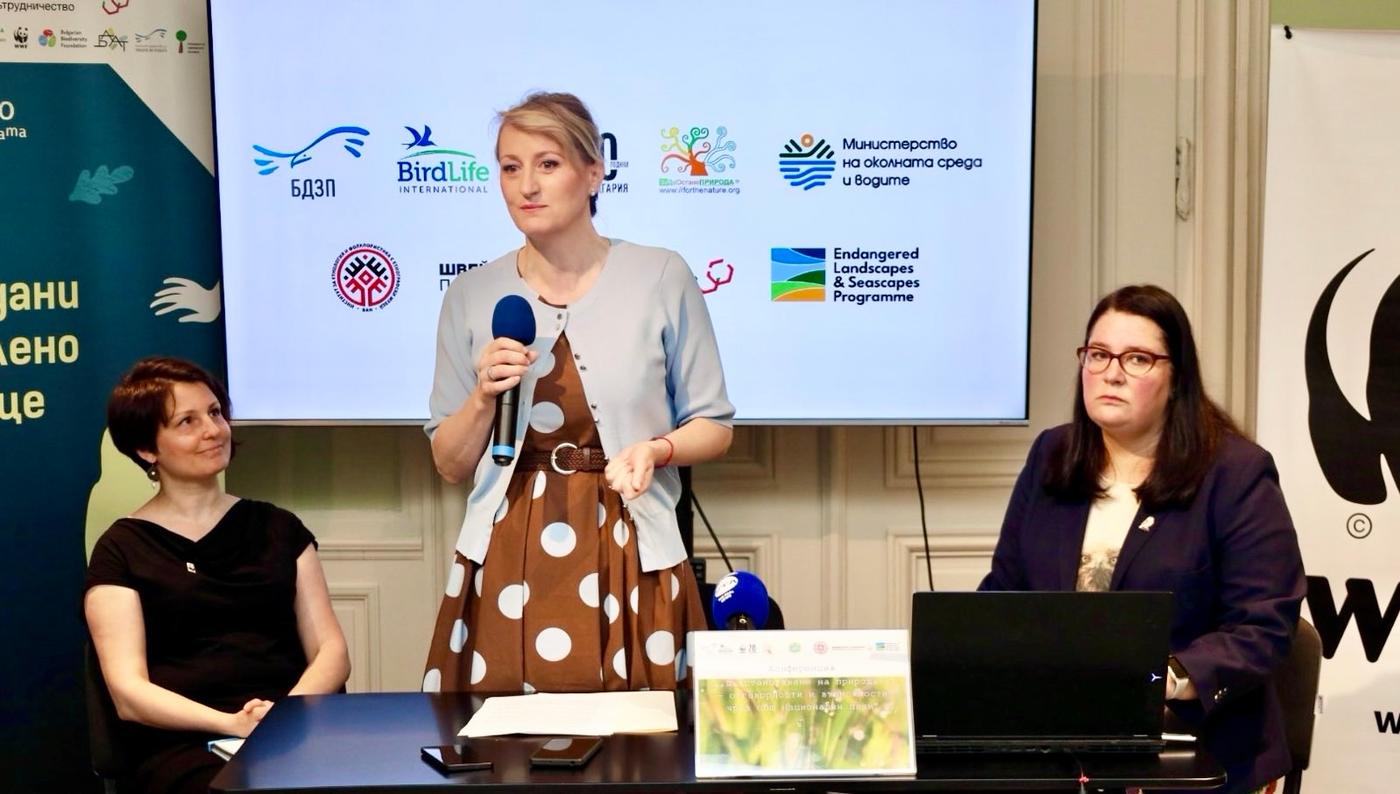
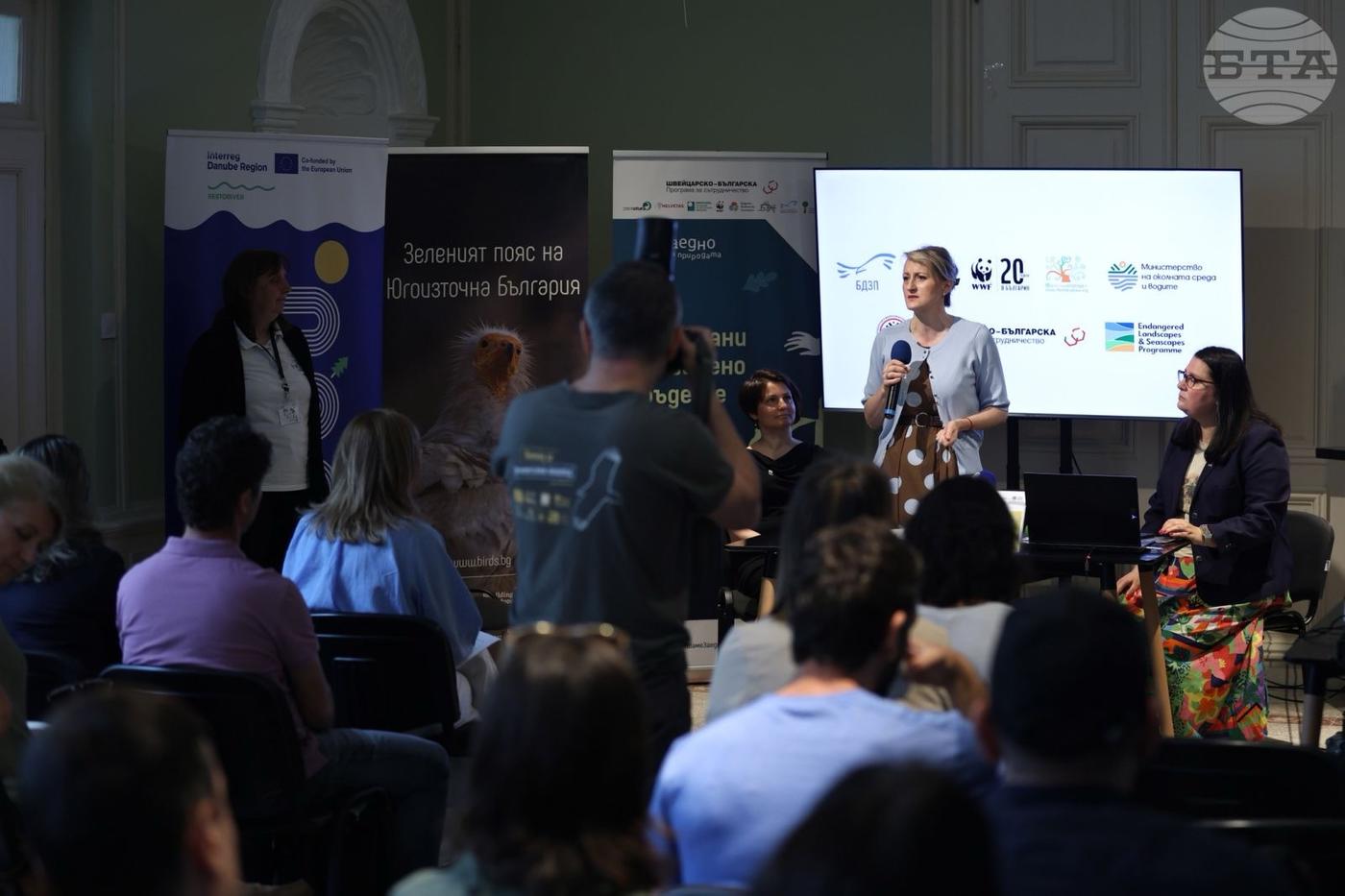
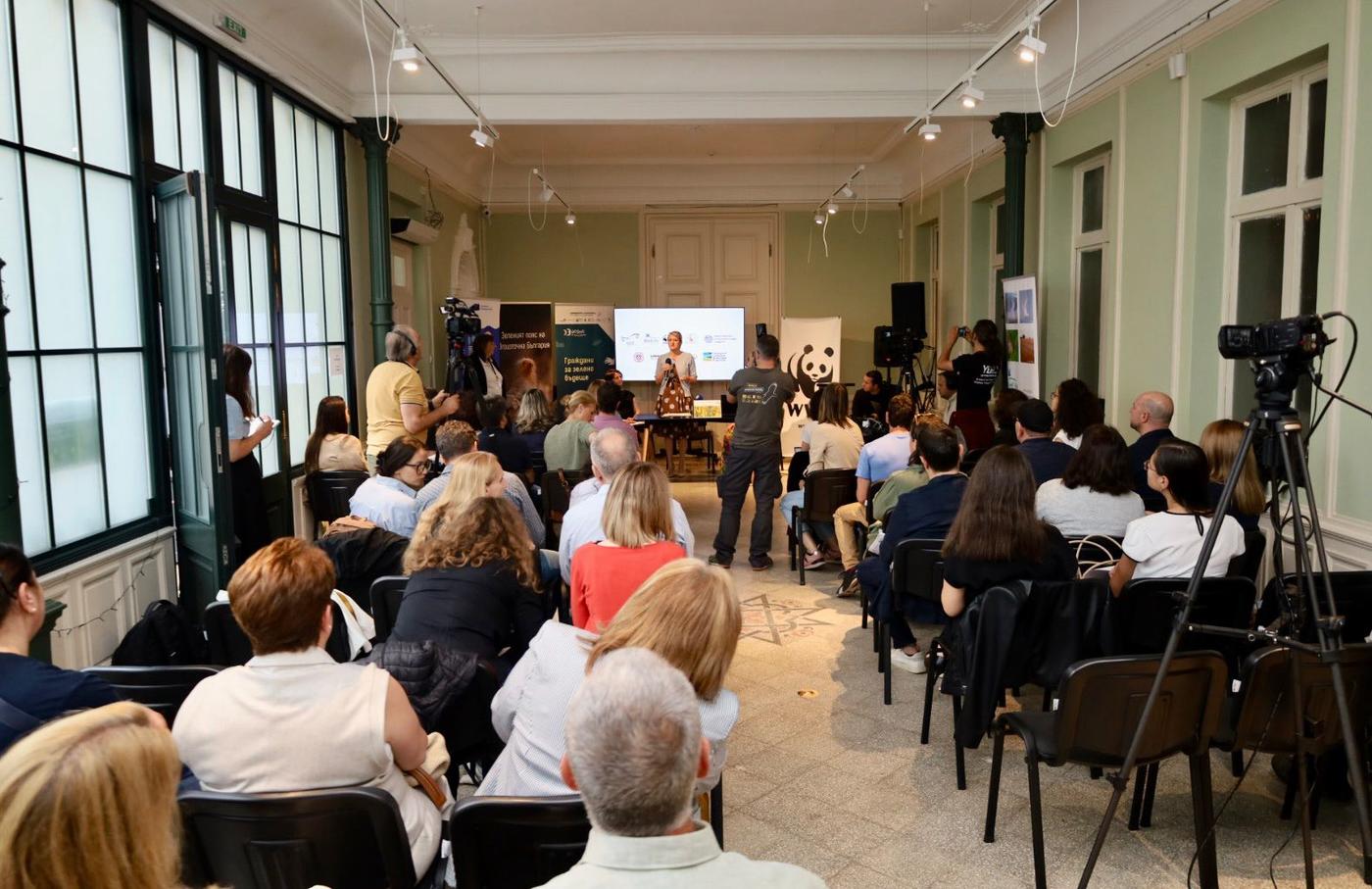
“The only way to restore nature is to unite and rebuild relationships among all stakeholders.” This was stated by Minister of Environment and Water Rositsa Karamfilova at the opening of the conference “Restoring Nature - Responsibilities and Opportunities Through a Common National Plan,” which took place at the National Ethnographic Museum in Sofia. The forum was organized by the Bulgarian Society for the Protection of Birds and WWF, with the support of the “To Preserve Nature in Bulgaria” coalition.
“The Ministry of Environment and Water will be the venue for professional debate on the preparation of the National Nature Restoration Plan, and we will seek solutions based on expertise and public consensus,” assured Minister Karamfilova.
By September 1, our country must submit the National Nature Restoration Plan to the European Commission. According to Rositsa Karamfilova, the plan should not be just another framework or strategy - the goal is that the process of its development brings together the perspectives of farmers, industrialists, landowners, environmental organizations, scientists, teachers, and representatives of institutions, so that a balance can be struck between the various public interests. Minister Karamfilova explained that the issue of nature restoration goes beyond drafting a national plan in line with the country’s European commitments; it requires a new approach based on dialogue, cooperation, and the active participation of all stakeholders.
During the forum, Minister Karamfilova expressed her support for the continuation of the LIFE program as a key financial instrument for nature conservation policies and nature restoration activities.
According to an EU regulation, each member state must commit to improving and restoring affected ecosystems to good ecological status. This requirement implements the adopted “EU Biodiversity Strategy to 2030” as part of the European Green Deal’s ambition to increase the EU’s natural capital. The regulation provides for the inclusion of ecosystem-, habitat-, and species-specific restoration targets covering forests, grasslands, wetlands, peatlands, pollinators, free-flowing rivers, coastal areas, and marine ecosystems, as well as ecosystems on agricultural land and in urban environments.