Minister Karamfilova: The packaging deposit system is one of the key tools for improving separate collection and increasing recycling rates in the country
18 Jun, 2026 | 16:24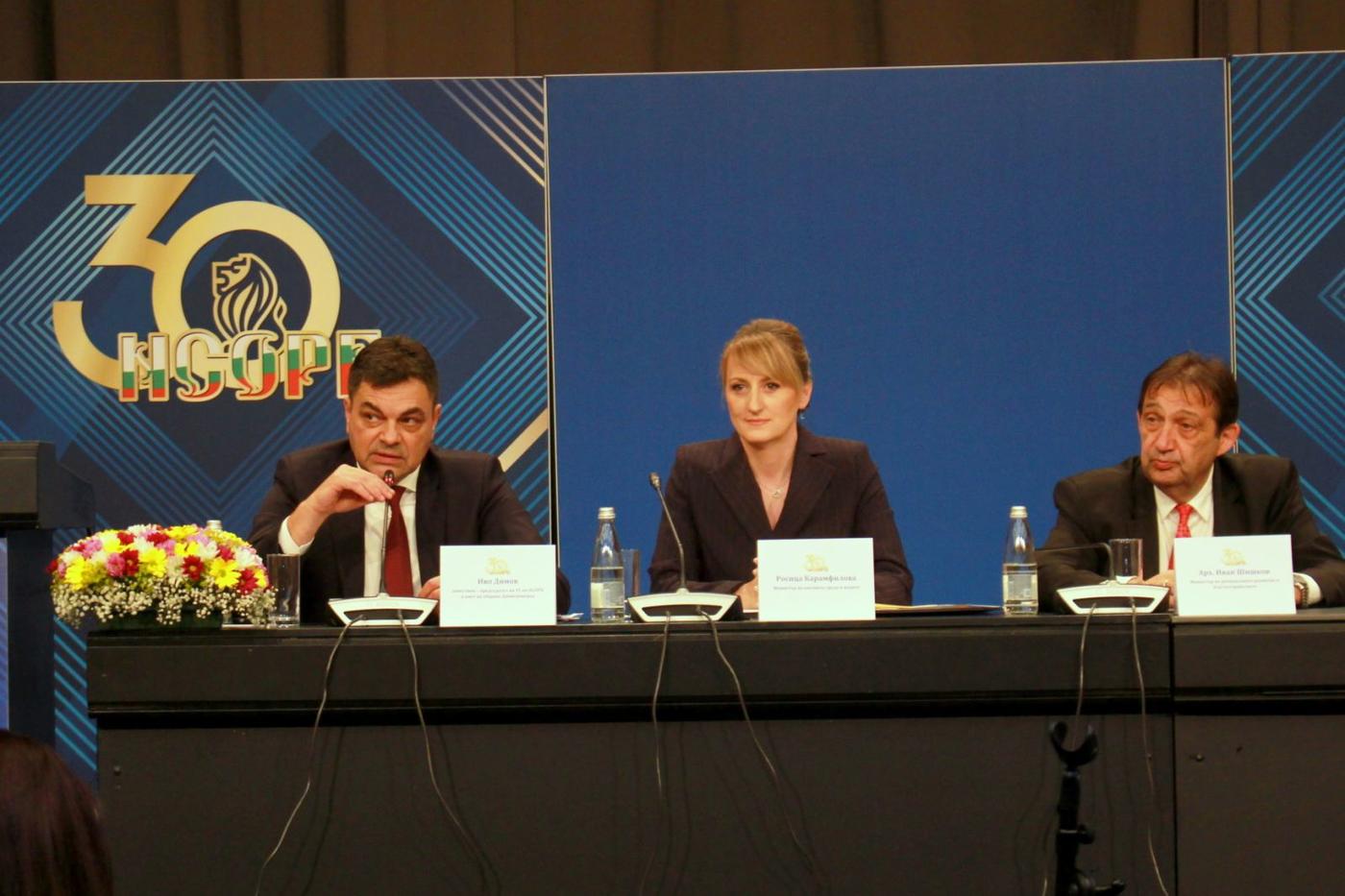
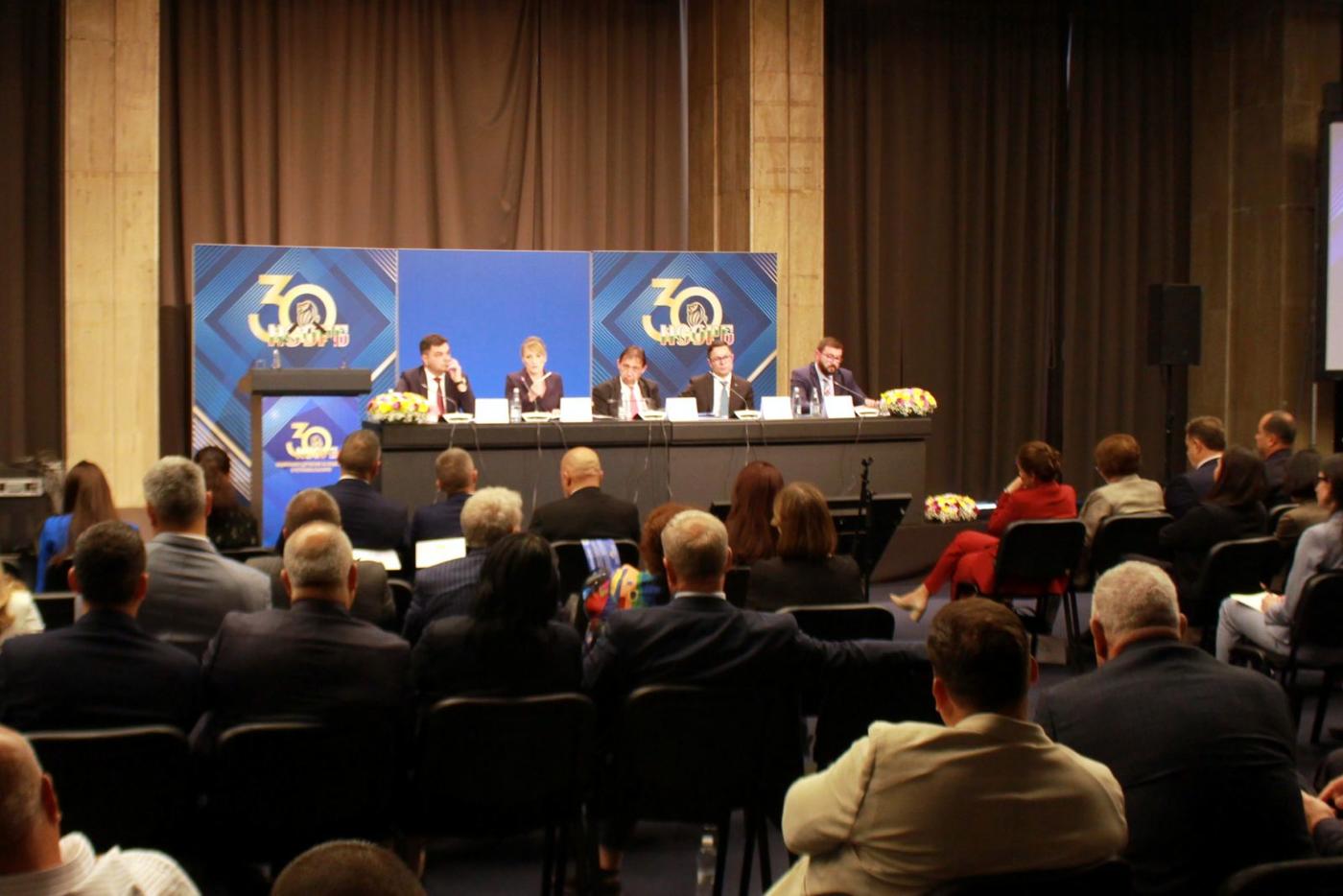
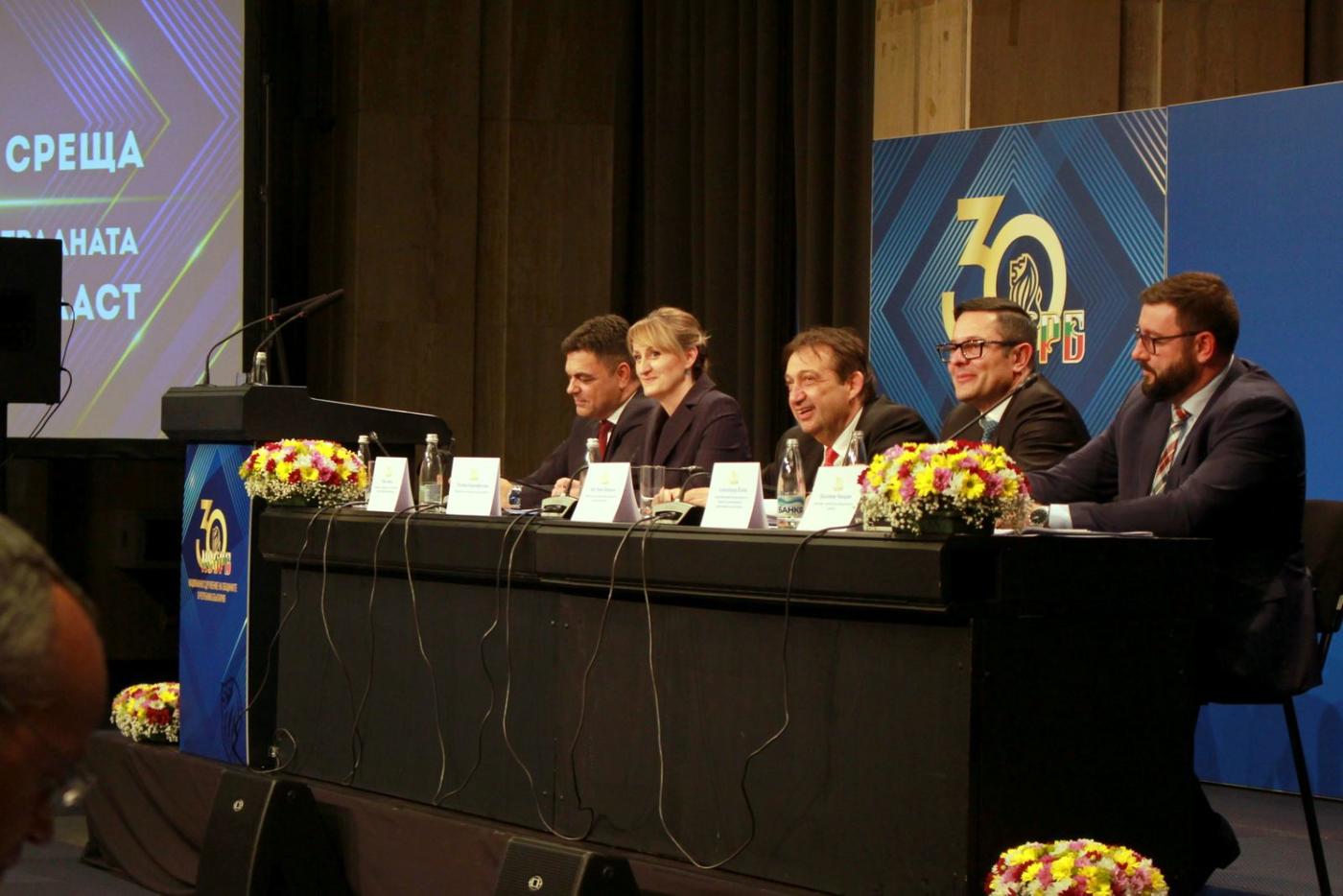
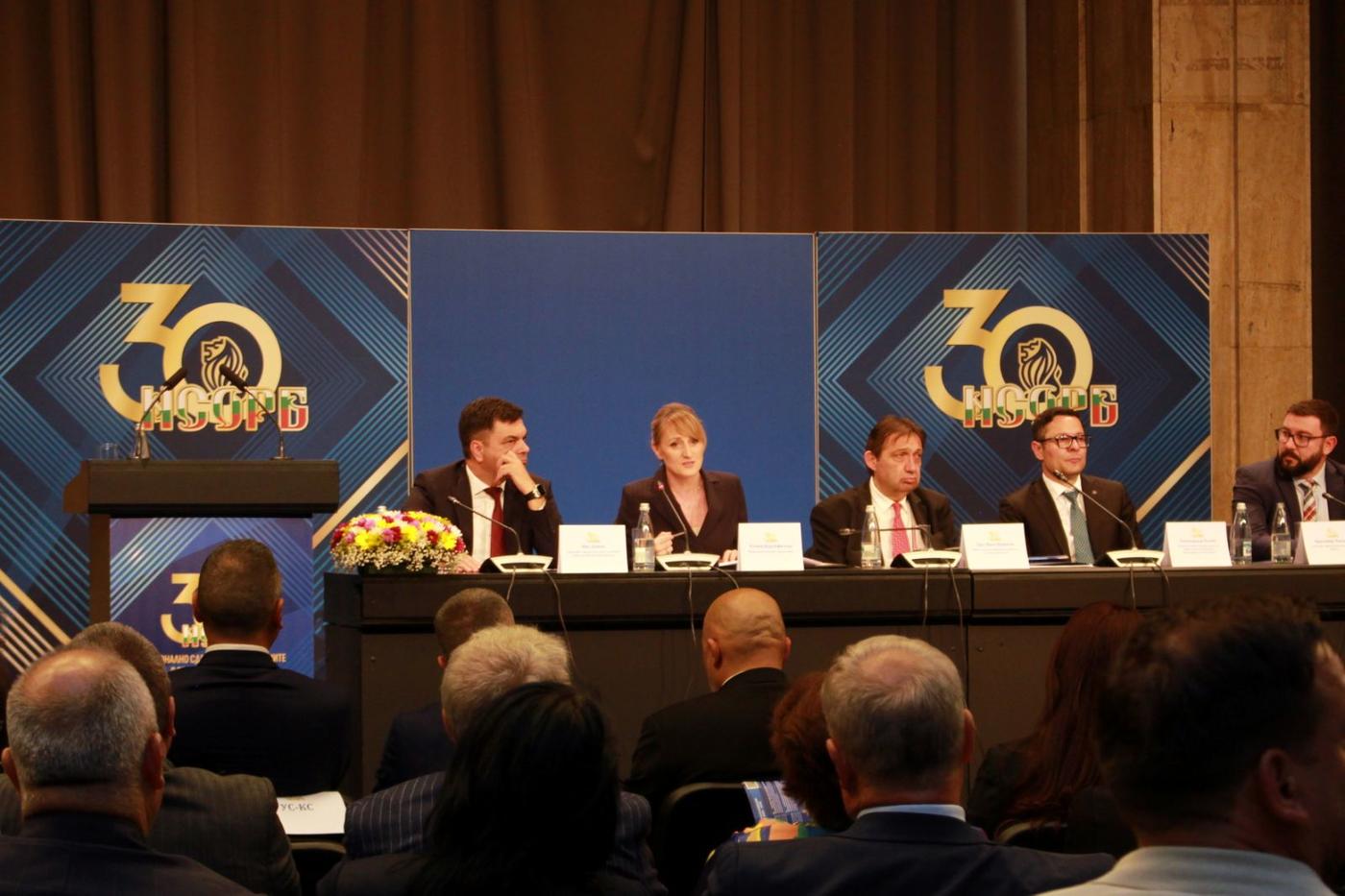
“We must act now so that we do not pay the price of delay later”—with a call to accelerate preparations for the introduction of the new model for determining household waste fees based on the principle “the polluter pays,” Minister of Environment and Water Rositsa Karamfilova addressed the attending mayors during the National Meeting of Local and Central Executive Authorities in Sofia, organized by the National Association of Municipalities in the Republic of Bulgaria.
The minister noted that the introduction of the “polluter pays” principle is an important step toward reducing the amount of waste sent to landfills and promoting separate collection and recycling. “We are one of the countries where the share of waste sent to landfills is still over 50%, and by 2035 we must reach 10%. Anaerobic digestion and composting account for only 3%, and household waste recycling is below 17%, compared to an average of about 48% for the European Union,” noted Minister Karamfilova.
She added that, according to preliminary estimates by the Ministry of Environment and Water, in about a year and a half the country could face a serious shortage of waste landfill capacity. Many of the regional landfills are nearing capacity, and the construction of new facilities requires years of preparation, design, procedures, and construction.
Bulgaria is subject to an infringement procedure for failing to comply with European requirements related to the application of the “polluter pays” principle. Minister Rositsa Karamfilova informed the meeting participants that the procedure has already reached the “reasoned opinion” stage, which is the final step before the case is referred to the Court of Justice of the European Union. The case is expected to be brought before the court as early as this fall. “In the event of a decision that finds the country guilty, our country will face serious financial penalties, which will ultimately be paid by all of us,” stated the minister. She called on municipalities to take concrete action and to begin as soon as possible with at least a pilot implementation of the model where applicable, in order to gain practical experience and assess the actual impact of the reform.
The packaging deposit system is one of the key tools for improving separate collection and increasing recycling rates in the country, Minister Karamfilova noted. In her view, the deposit system models considered so far - both fully state-run and fully private - are not suitable solutions. She emphasized that significant work lies ahead to find a viable model that guarantees equitable access for all citizens. “The deadline we have set for ourselves is December 31, 2026,” said Minister Karamfilova, proposing that a separate expert discussion be held with local authorities to find viable solutions for small and remote communities as well.
The minister also spoke to the mayors about the importance of cooperation between municipalities and the Regional Inspectorates for Environment and Water (RIEW) for the effective enforcement of environmental legislation. She urged local authorities to promptly provide information to the RIEW on the implementation of investment projects that have undergone Environmental Impact Assessment or environmental assessment procedures. When it is unclear whether a given project has been implemented, this affects the assessment of cumulative effects and may hinder the review of subsequent investment proposals, the minister explained. She called on local authorities to provide up-to-date data on properties whose designated use or permanent use has changed, in order to keep the information in the cadastral-administrative information system current.
Minister Karamfilova further emphasized that the Ministry of Environment and Water continues to support municipalities through investments under the “Environment” Program 2021–2027, under which the “Waste” priority has allocated over 261 million euros for the development of municipal waste management systems and the transition to a circular economy. Of this amount, 172.5 million euros have been allocated to all 236 municipalities in the country for the construction and upgrading of systems for the separate collection and composting of biodegradable waste, while nearly 45 million euros are directed toward the reclamation of closed landfills and landfill cells to reduce environmental risk and alleviate pressure on local budgets. She noted that the Ministry of Environment and Water (MOW) and the National Association of Municipalities in the Republic of Bulgaria (NAMRB) have already implemented a joint project worth over 2 million euros to prepare municipalities for the introduction of the “polluter pays” model, under which various models and specialized software have been developed, and 87 municipalities have already expressed interest in implementing them. A new measure worth approximately 44 million euros is currently being prepared to provide the necessary equipment and technologies for applying this principle. Upcoming investments also include measures to build centers for the reuse and repair of goods.
In conclusion, Minister Rositsa Karamfilova once again emphasized that the topics discussed during today’s meeting will be the subject of further expert discussions between the Ministry of Environment and Water and the municipalities, as it is clear that there is still much work to be done and that dialogue between the state and local authorities must be ongoing.