Minister Rositsa Karamfilova: The Green Transition Is a Strategic Investment in Competitiveness, Security, and Sustainable Development
04 Jun, 2026 | 12:42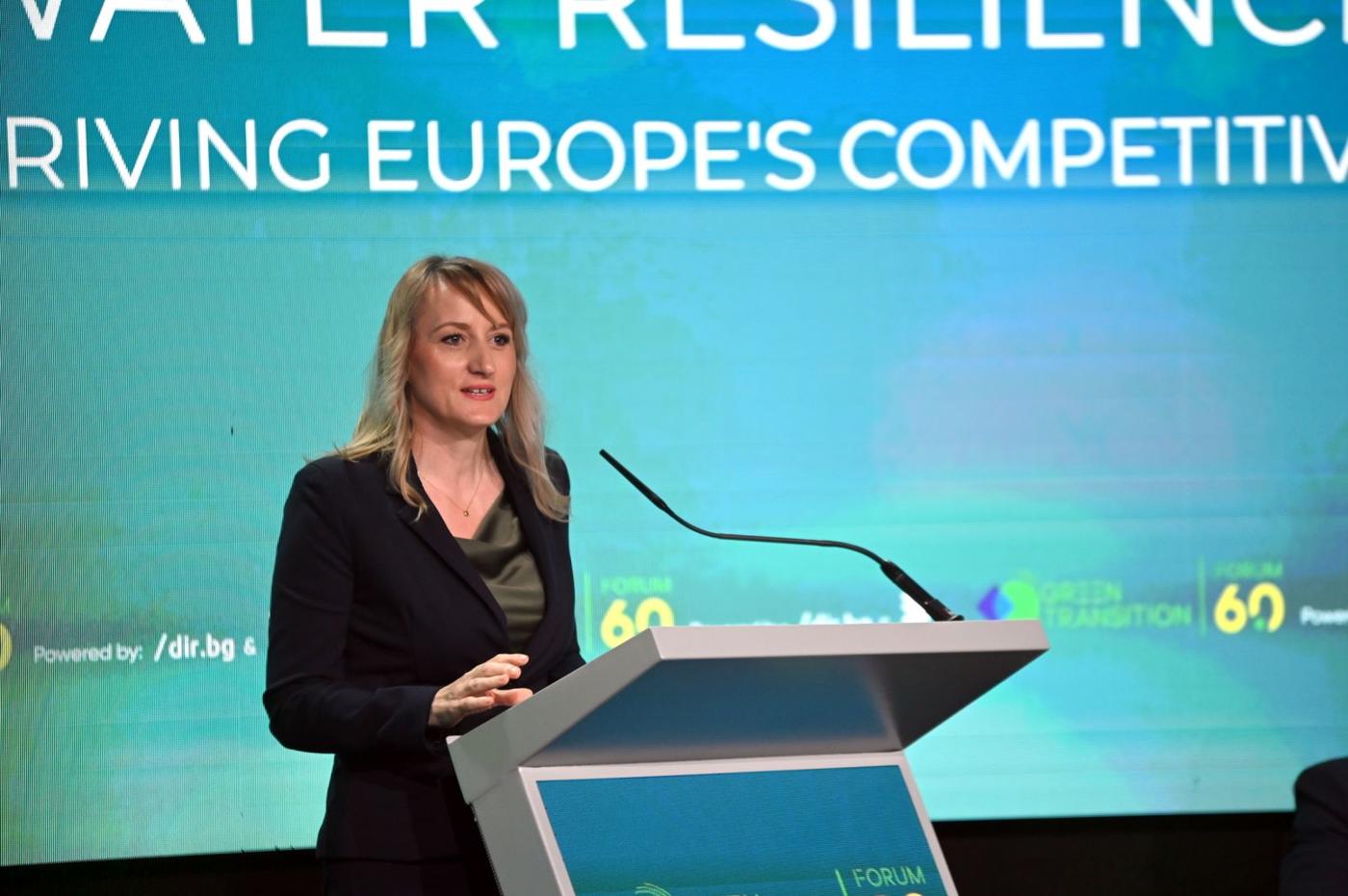
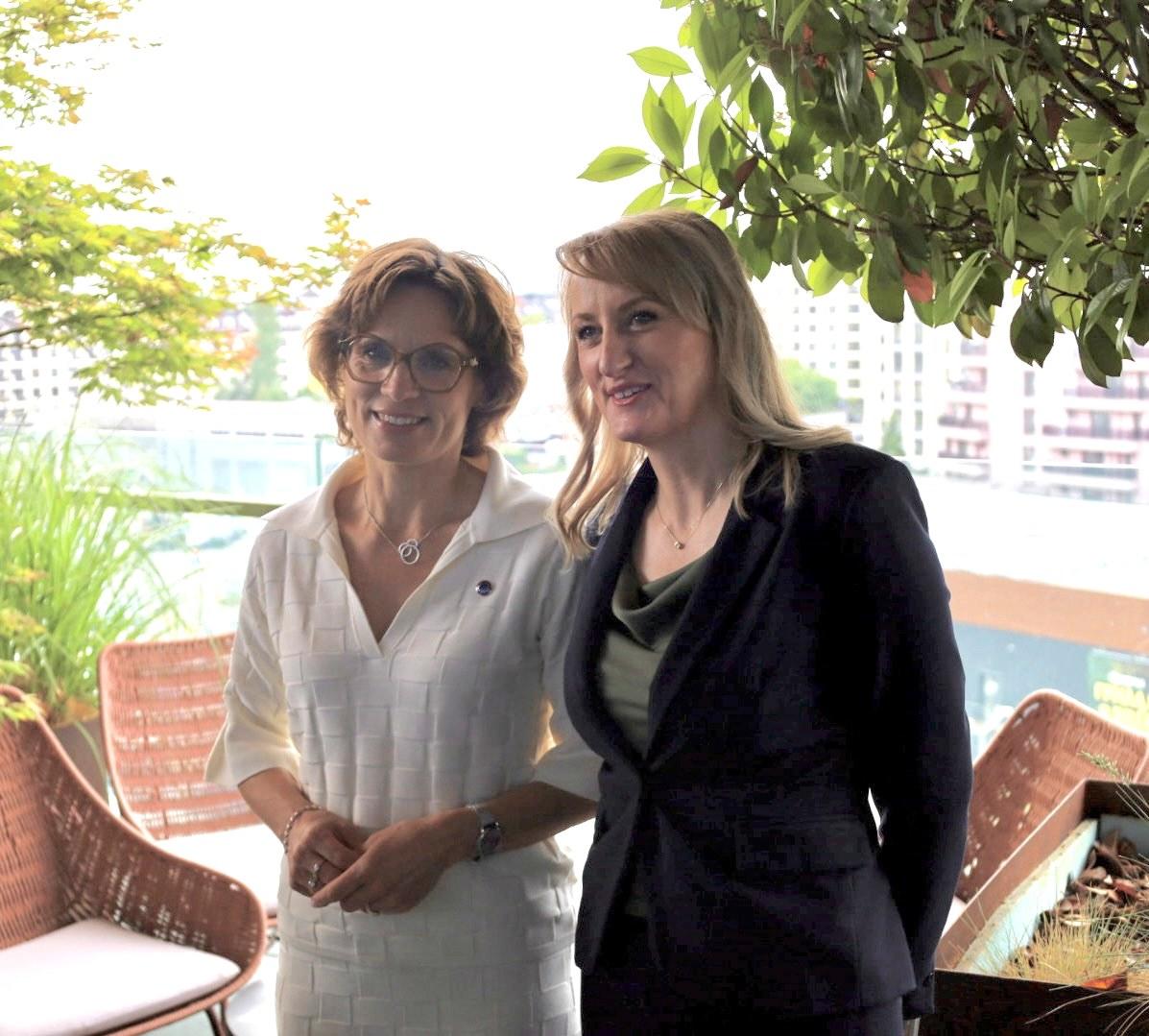
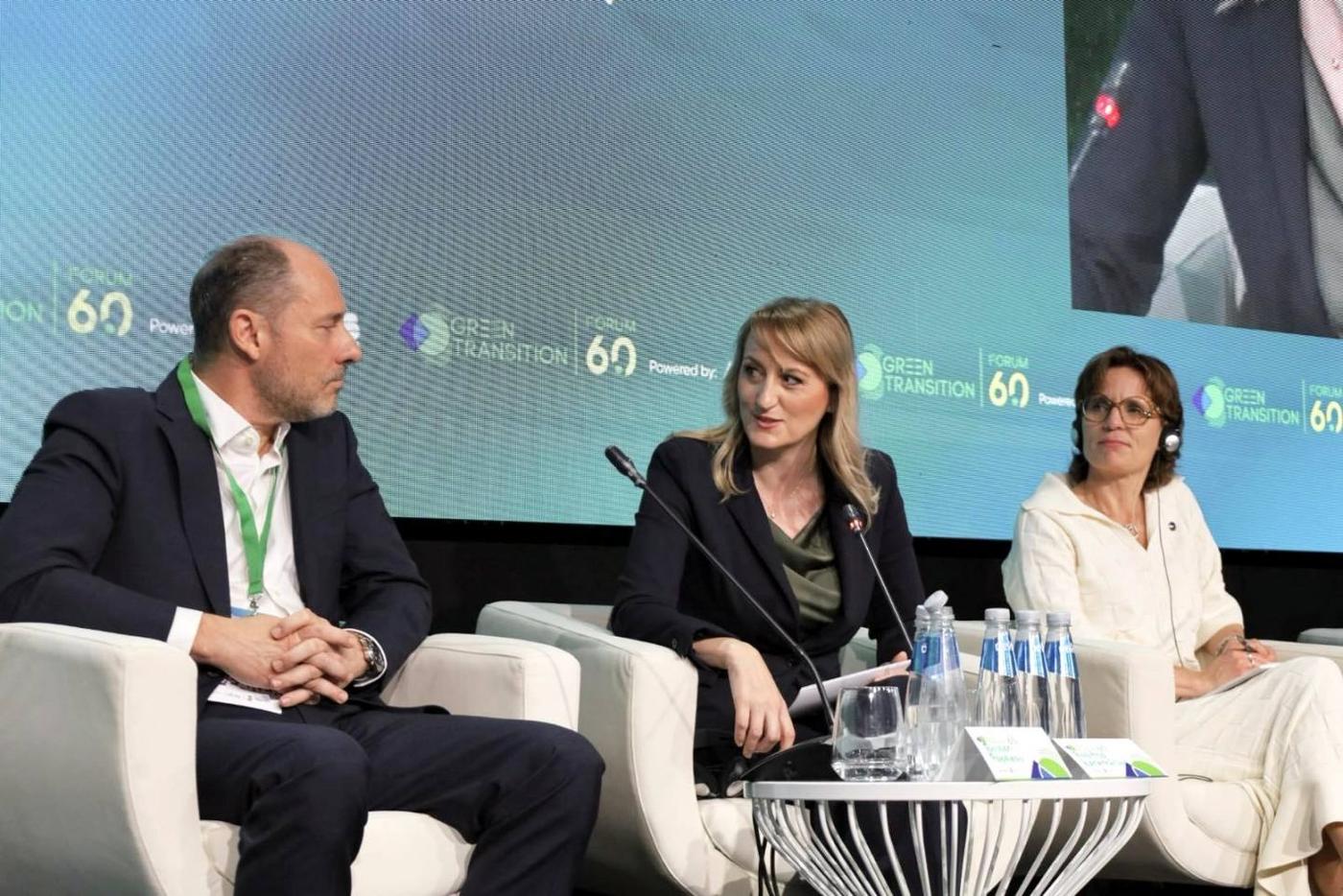
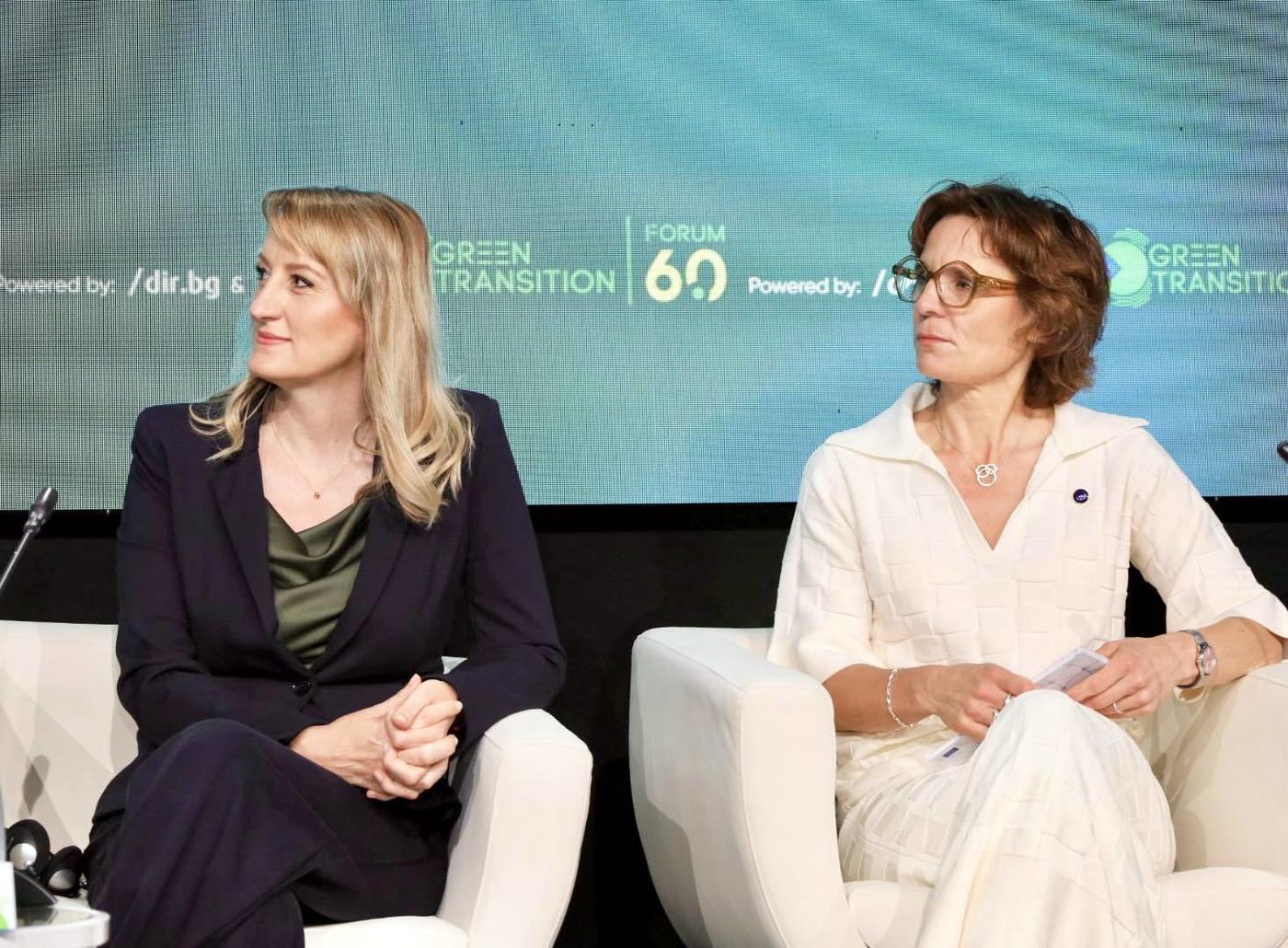
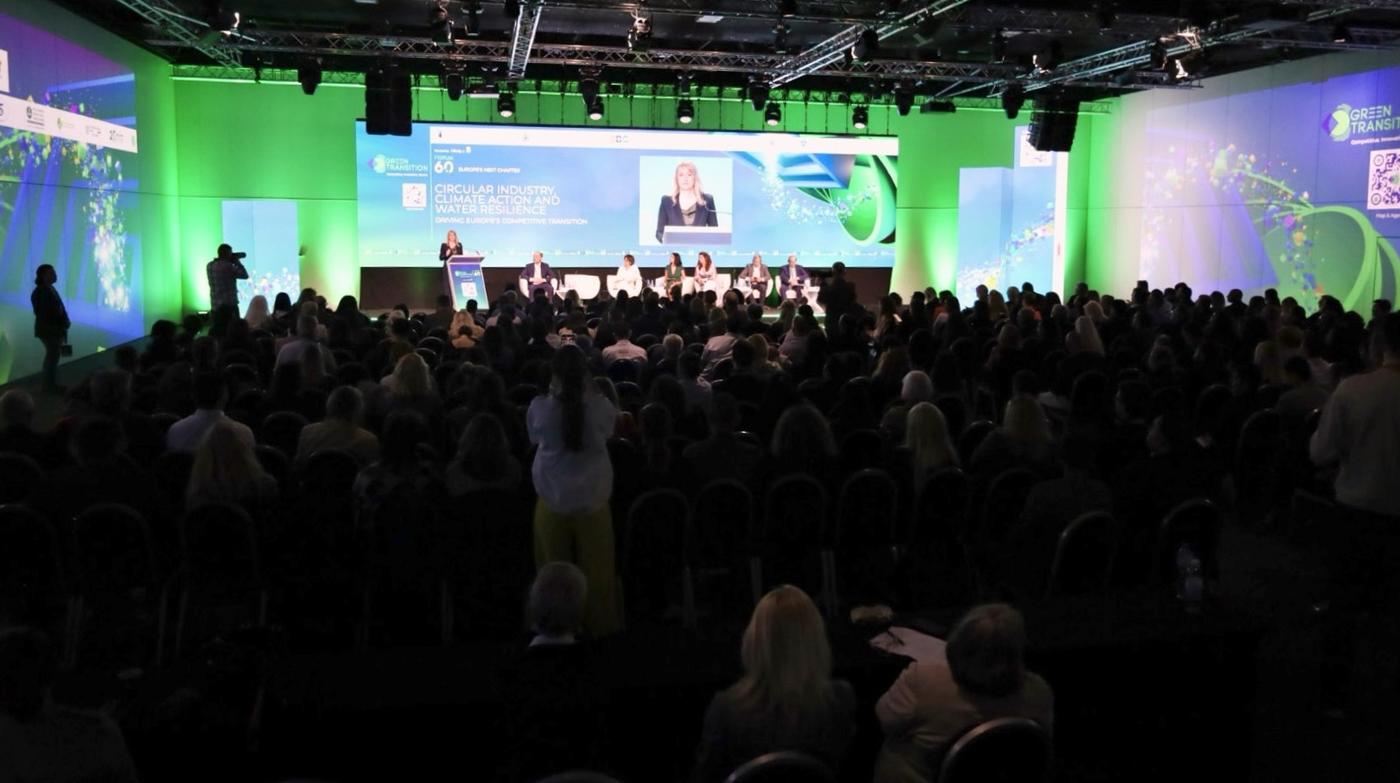
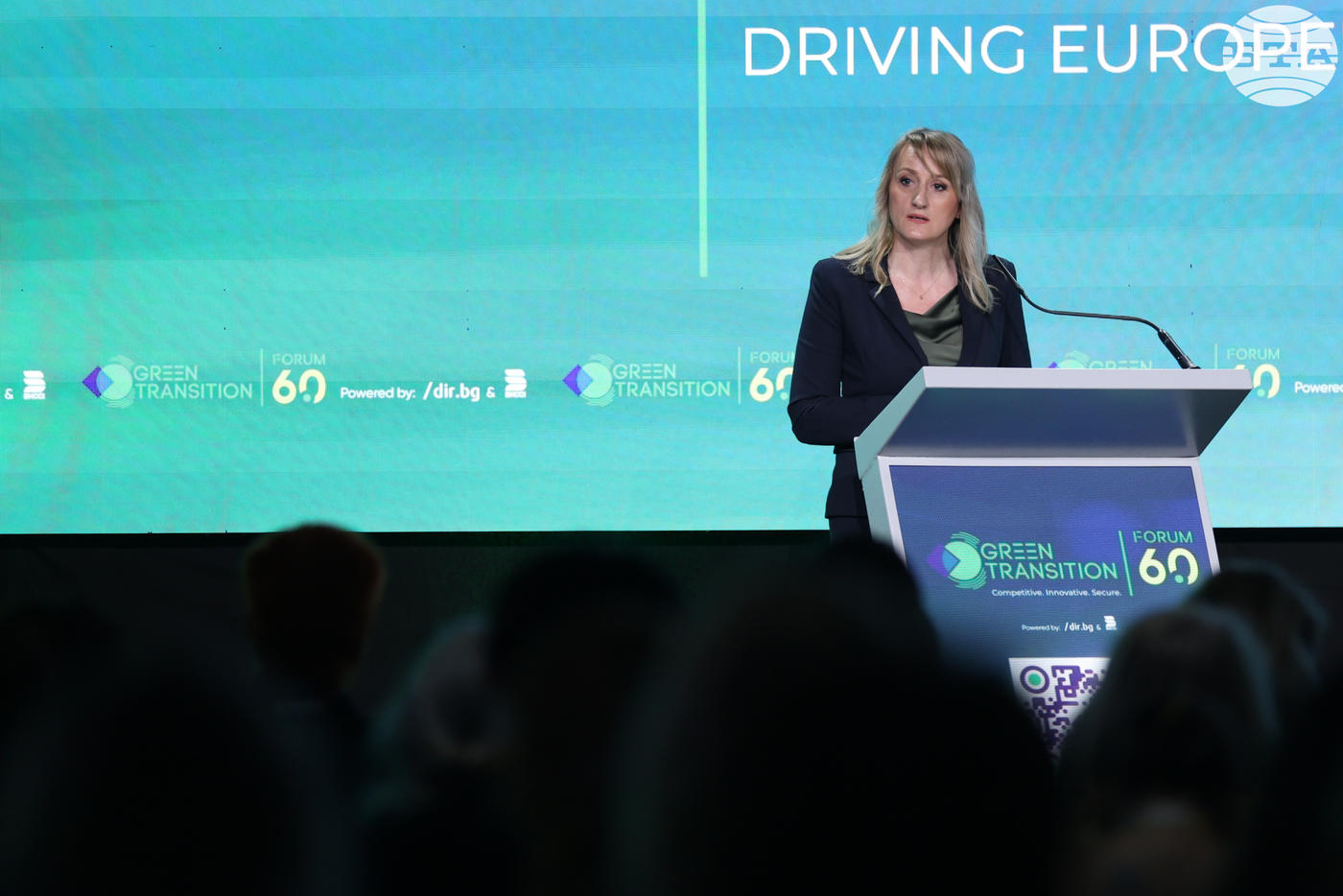
- The Minister presented Bulgaria’s vision for a circular economy, competitive industry, and sustainable management of natural resources
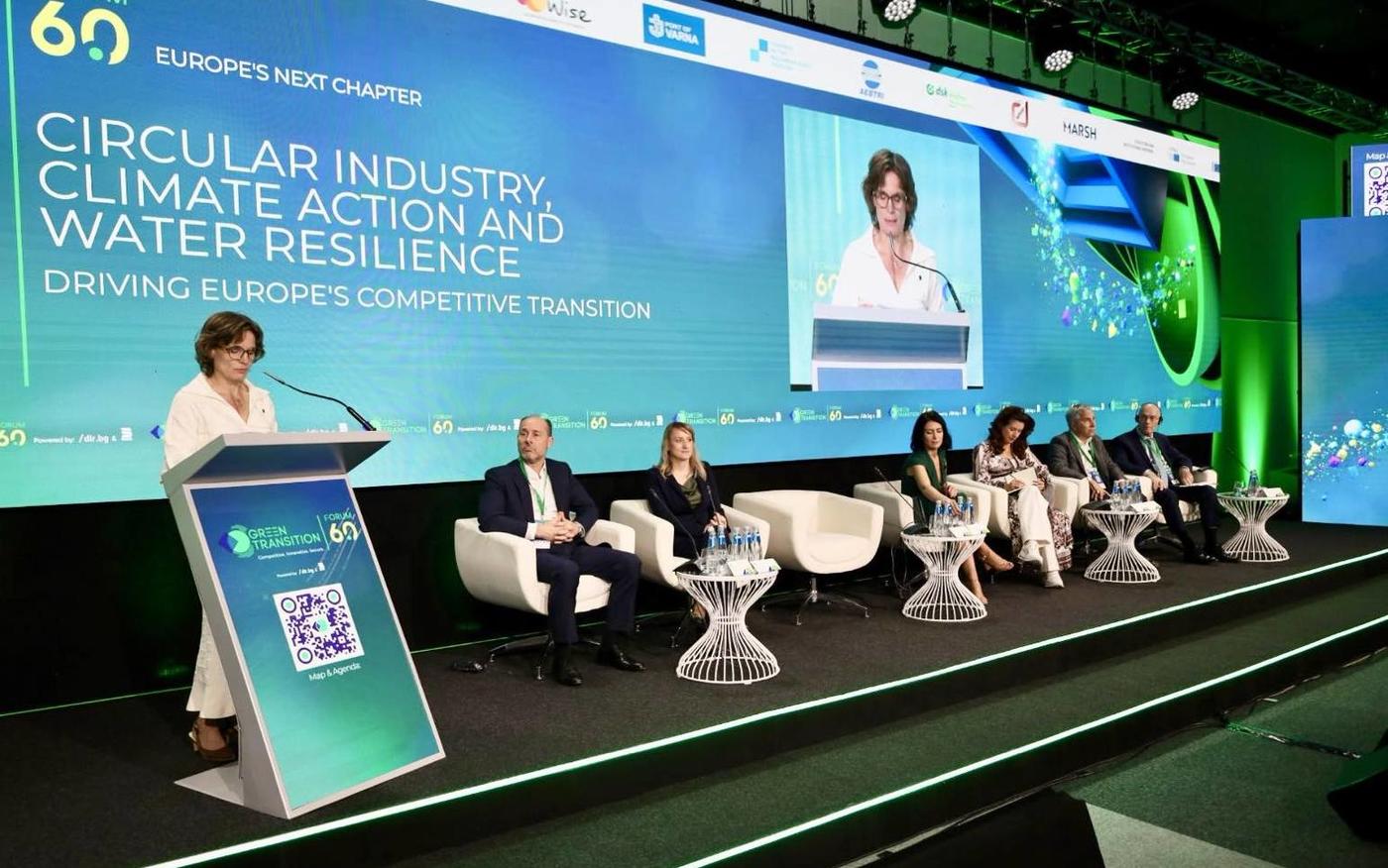
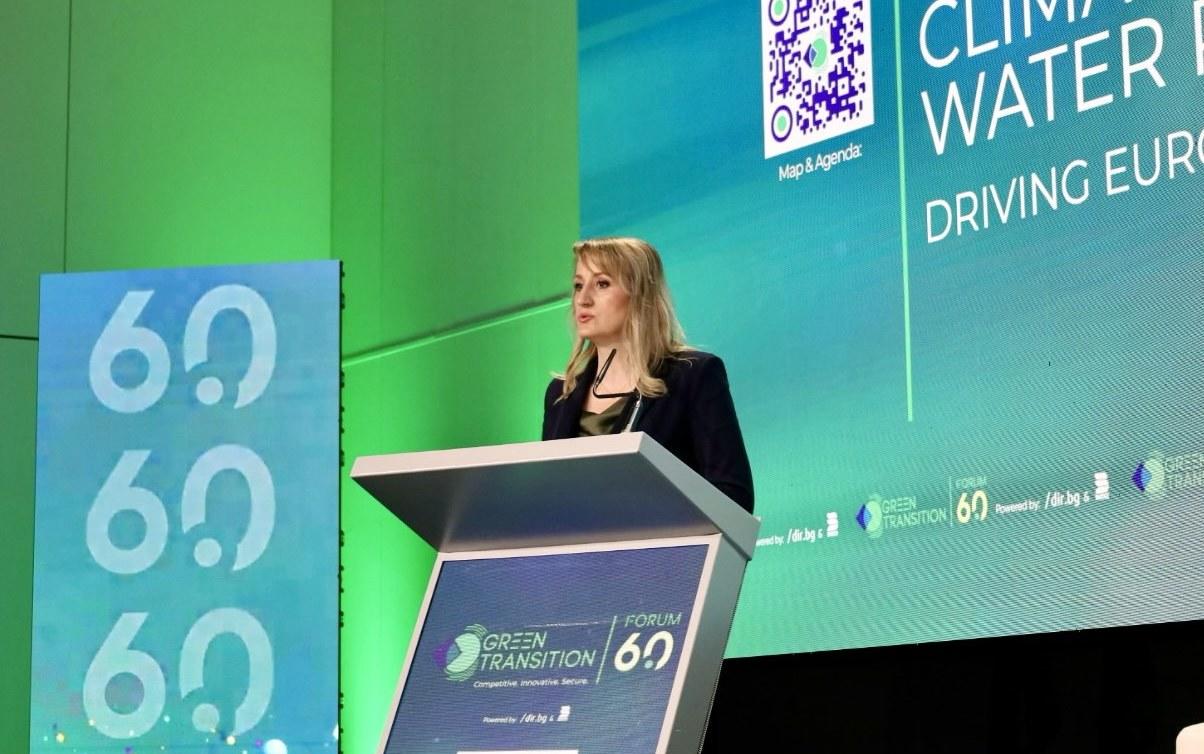
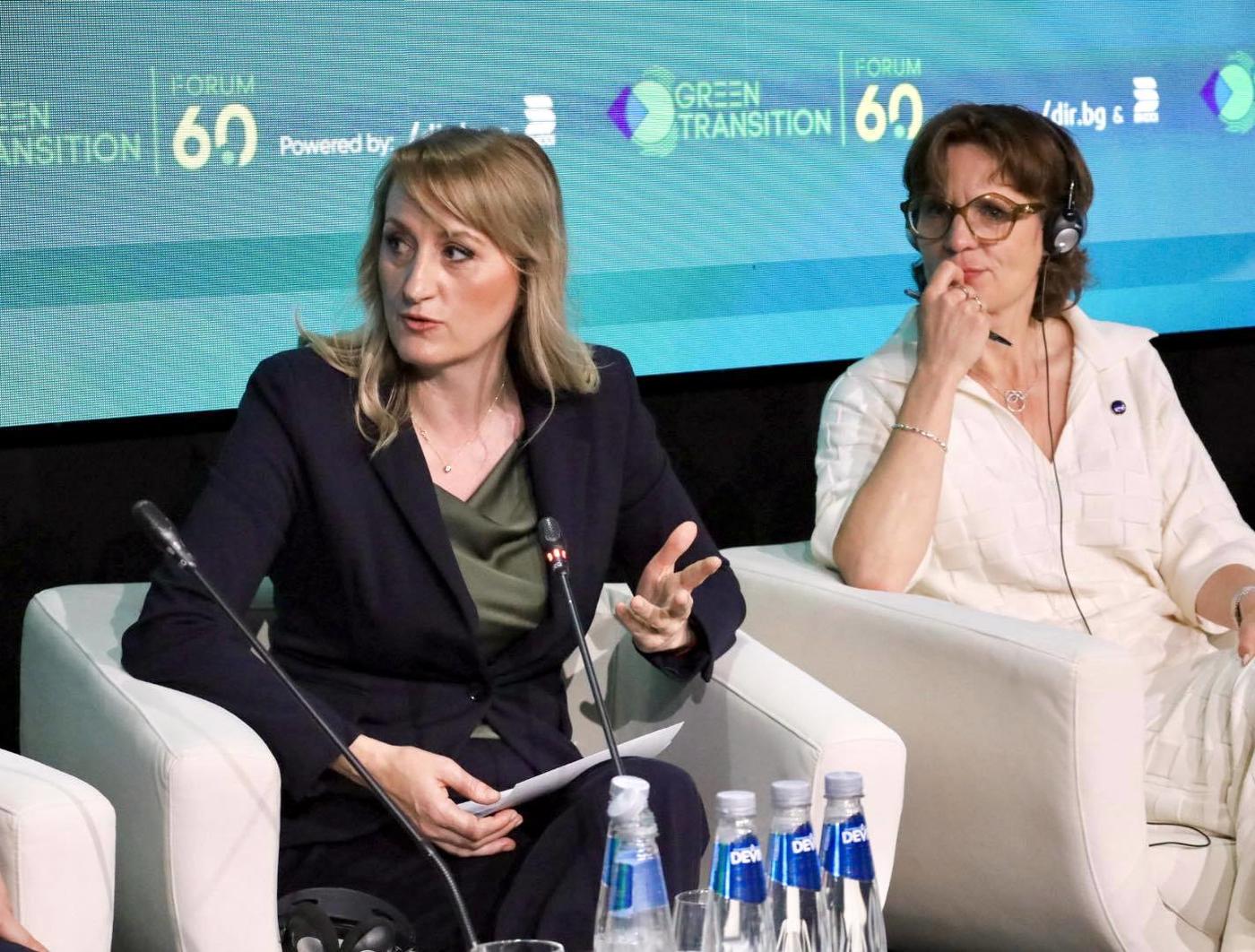
“The circular economy, climate action, and sustainable water resource management are strategic issues for the economy, security, public health, and the sustainability of European societies - not merely part of environmental policy.” This is how Minister of Environment and Water Rositsa Karamfilova addressed participants in a panel discussion on the circular economy, cohesion policy, sustainable cities, and water sustainability on the fourth day of the Green Transition Forum. The forum, dedicated to the green transition, is being held at the Sofia Event Center.
The dynamic geopolitical environment presents Europe and the world with a number of challenges - climate change, limited access to resources, the need to modernize infrastructure, and the need to boost public trust in institutions, Minister Karamfilova noted. “The Bulgarian government is determined to turn these challenges into opportunities through an environmental policy that guarantees citizens’ right to a clean and healthy environment while also creating conditions for the sustainable development of business and the economy,” she stated.
According to her, a successful green transition cannot be achieved by putting the economy against the environment. She expressed her unwavering conviction that the future belongs to societies that build economies based on resource efficiency, innovation, circular models, and a high level of environmental responsibility.
Bulgaria views the circular economy as a long-term strategic priority and a key tool not only for limiting pollution, reducing biodiversity loss, and mitigating climate change, but also for enhancing the competitiveness of the Bulgarian economy, noted Rositsa Karamfilova.
Among the main challenges facing the country, she highlighted the recycling of raw materials, the transition from waste management to resource management, ensuring access to critical raw materials, and the development of clean technologies. “Bulgaria has the potential to establish itself as a leader in the field of clean technologies, the circular economy, and resource efficiency, but this requires a strong partnership between business, science, and the public sector,” said the Minister.
Rositsa Karamfilova placed particular emphasis on the need for economic growth to go hand in hand with the protection and restoration of nature. As part of the efforts in this direction, she also highlighted the introduction of a deposit-return system for packaging that would be fair, effective, and accessible for citizens throughout the country.
Regarding climate policies, Minister Karamfilova emphasized: “Bulgaria consistently supports an approach that combines decarbonization with maintaining and enhancing the economy’s competitiveness, while taking into account national specificities and the role of energy-intensive industries.”
The Minister also highlighted the need to enhance the sustainability of water resources through more effective water management, the integration of climate policies into river basin management and flood risk management plans, and the development of a national drought management plan.
“The new economic and geopolitical reality requires a more integrated, transparent, and expert-driven approach, based on long-term sustainability and the rule of law,” said Rositsa Karamfilova, emphasizing that this top priority in the Ministry of Environment and Water’s work will be implemented with transparency and accountability, by strengthening expert capacity within the administration and strictly enforcing environmental legislation. According to her, the Ministry of Environment and Water will work to upgrade and integrate information systems, improve coordination among institutions, and ensure more active stakeholder participation in the formulation of environmental policies.
“The green transition is a long-term transformation that requires leadership, expertise, trust, and a clear vision. Our goal is to build a predictable, fair, and effective environmental policy that guarantees a clean and healthy environment, creates conditions for a strong and competitive economy, and contributes to the preservation of natural capital for the benefit of future generations,” concluded Minister Rositsa Karamfilova.