The American mink is among the new 22 species added to the list of dangerous invasive alien species in Europe
14 Aug, 2025 | 15:27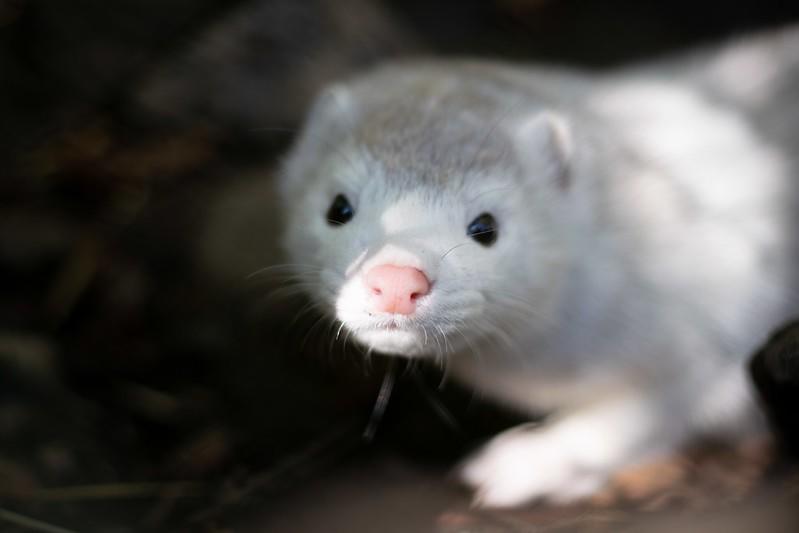
The final confirmation by the Supreme Administrative Court (SAC) of the ban on the import and breeding of American mink (Neogale vison) / (Neovison vison) in Bulgaria comes at a time when the European Commission has added 22 new species to the list of invasive alien species of EU concern, including the American mink. The EU-wide ban on the species will enter into force on 17.07.2027, with some specific features related to the assessment of existing farms. After this update, the number of invasive alien species of interest to the community increases to 112.
The order introducing a ban on the import and breeding of the species in Bulgaria was issued by the Minister of Environment and Water in 2022 and appealed by the company that owns the only farm in the country in the village of Madzherito, Stara Zagora.
The reasons for the ban are related to the highly invasive nature of the species, which is included at number 19 on the list of the most dangerous invasive alien species in Europe.
The species, in addition to being a very aggressive predator, is also a highly adaptable competitor with a negative impact on local species of birds, rodents, amphibians, and aquatic organisms (fish, crabs) and causes serious damage to poultry and fish farming. Last but not least, there is the risk of spreading zoonoses, including coronaviruses.
By confirming the court ban, our country joins the practice in the EU, which shows that in recent years bans on the extraction of valuable animal skins, including American mink, have been introduced in a number of countries, namely the United Kingdom, Austria, the Netherlands, Slovenia, Croatia, the Czech Republic, Italy, France, Slovakia, Hungary, Luxembourg, and Belgium.
A ban on raising mink and animals for valuable furs is also a practice in Germany, Sweden, and Switzerland, where the requirements for breeding conditions, housing, humane treatment, etc. are so high that there no economic benefit from these farms is viable. Outside the EU, a ban on raising animals for their valuable furs has been introduced in Serbia, Bosnia and Herzegovina, North Macedonia, Israel, New Zealand, some parts of the USA and Canada, etc.
In 24 EU countries, the presence of American mink in the wild after being released from livestock farms has been registered. And in 19 countries, sustainable populations have already been established. Escaped minks have displaced populations of the highly endangered European mink and contributed to the extinction of critically endangered European animal species.