The Ministry of Environment and Water calls for better implementation of the law against bird poisoning
15 Jan, 2026 | 13:09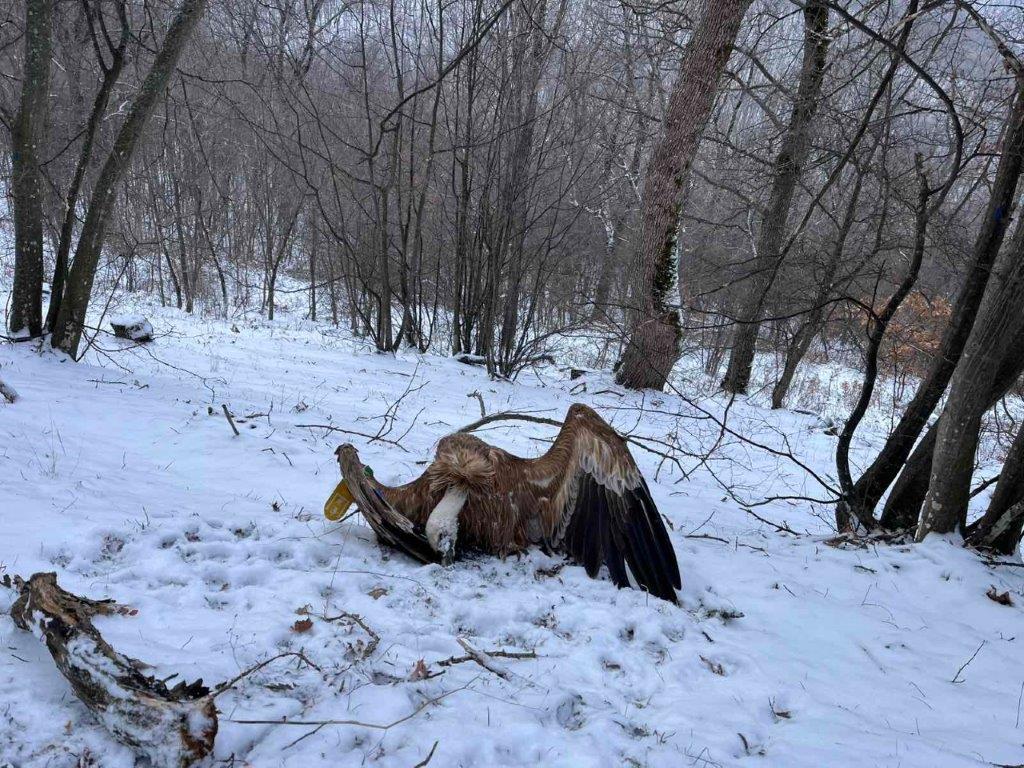
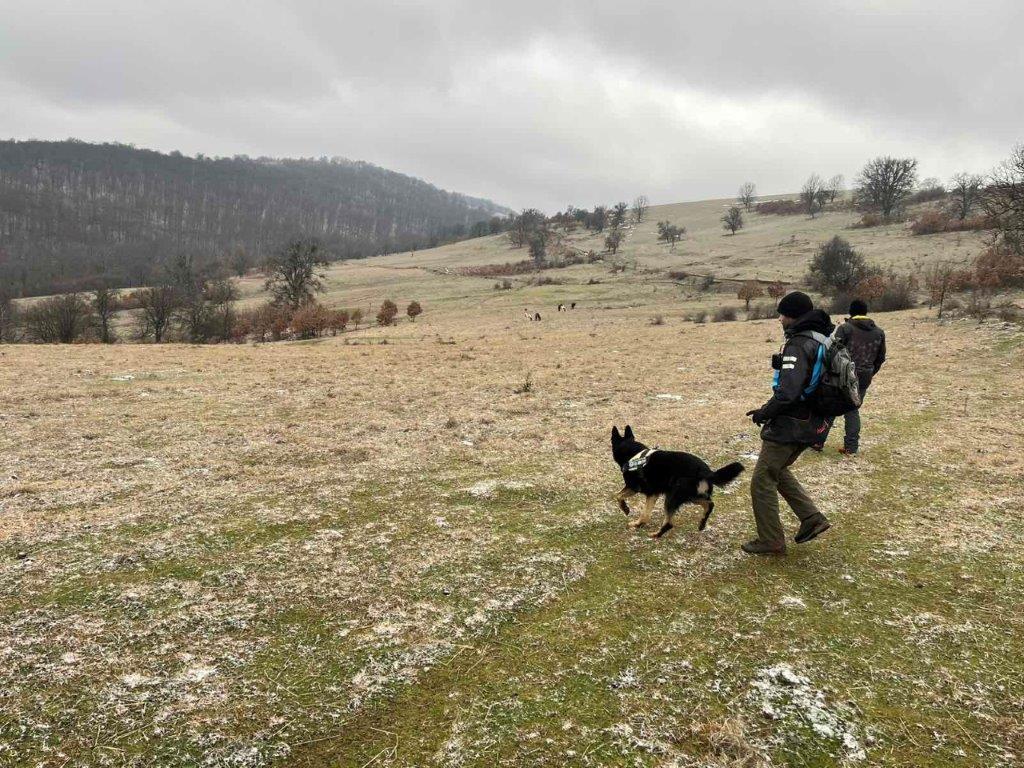
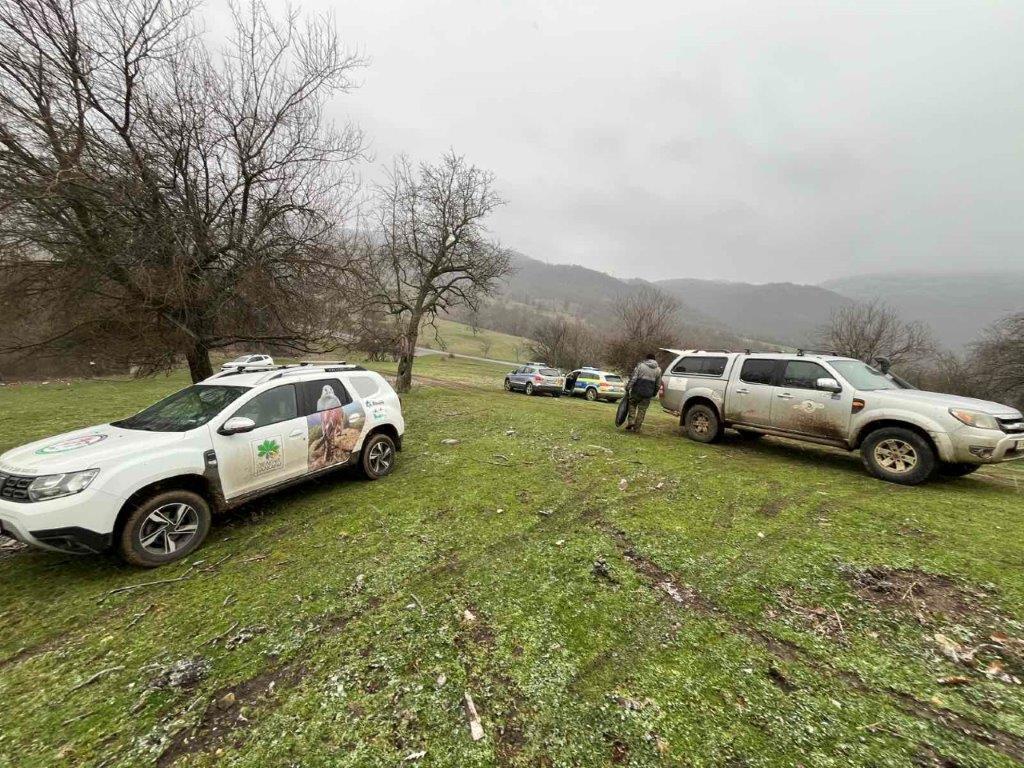
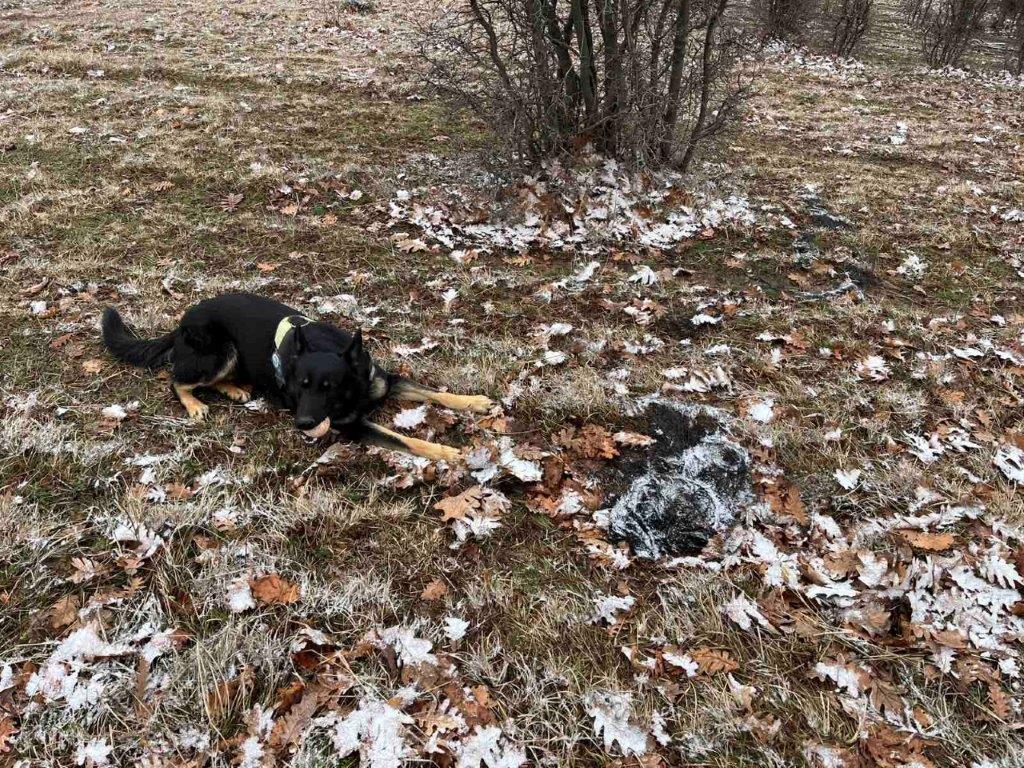
Six black vultures (Aegypius monachus) and one griffon vulture (Gyps fulvus) were found poisoned on January 11 in the region of the Kotlenski Balkan. This is another case of poisoning of protected and endangered bird species included in the Red Book of Bulgaria.
The bodies were found in the core area of the species’ colony in the Eastern Stara Planina, near the asphalt road through the Kotlenski Pass. The birds were found consecutively, given that two of the black vultures were without satellite transmitters and were found at a later stage under the nest.
Pre-trial proceedings have been initiated in the case. According to information from “Green Balkans”, an autopsy is to be performed on the birds. The organization reminds that the program for the restoration of the population of this species in Bulgaria has been under development for 30 years.
Long-term efforts to protect nature and restore vulture species in the country by non-governmental organizations have improved the conservation status of populations, but regional risks cannot yet be overcome.
Poisoning is a significant threat to all vultures in the country, as well as partly to birds of prey. The reasons for poisoning vultures are different. Most often, vultures are victims of the criminal actions by owners of farm animals seeking to protect them from terrestrial predators (mainly wolves, jackals and wandering stray dogs) by means of poisoned baits. The birds, which are scavengers, die when directly consuming poisoned baits or as a result of secondary poisoning when they feed on victims of the poisoned bait.
Bulgarian legislation is in full compliance with the provisions of EU legislation, which prohibits the use of poisons and poisoned baits to combat predators. The same prohibitions are introduced by the Birds Directive, the Habitats Directive, the Bern Convention, the Convention on the Conservation of Migratory Species of Wild Animals and, in national legislation, by the Biodiversity Act.
A key obstacle to preventing the illegal use of poison baits is ineffective enforcement of the law, often associated with minimal investigation of incidents and the discontinuation of pre-trial proceedings. The lack of effective enforcement reduces the deterrent effect of the law. Wildlife crime is usually given low priority by law enforcement and there is a lack of public momentum to raise it higher on the law-enforment agenda.
This can be improved through better enforcement, effective sanctions and increased awareness. In order to avoid creating a climate of impunity for those who engage in placing illegal poison baits, successful prosecution is essential.
As with all wildlife crimes, the number of recorded incidents is only the tip of the iceberg. Poisonings where no birds are tagged with satellite transmitters may not reach the public at all. This could include dozens of birds of prey that have been illegally killed - species under legal protection.
In order to put an end to the spate of poisoning incidents in the country, the punishment must fit the crime. To date, there has not been a single case in Bulgaria of a suspect being convicted based on the relevant factual accusation. This requires a change in the approach to investigation and a will on the part of law enforcement to bring each such case to a successful conclusion.