Today is World Wildlife Day
03 Mar, 2026 | 11:29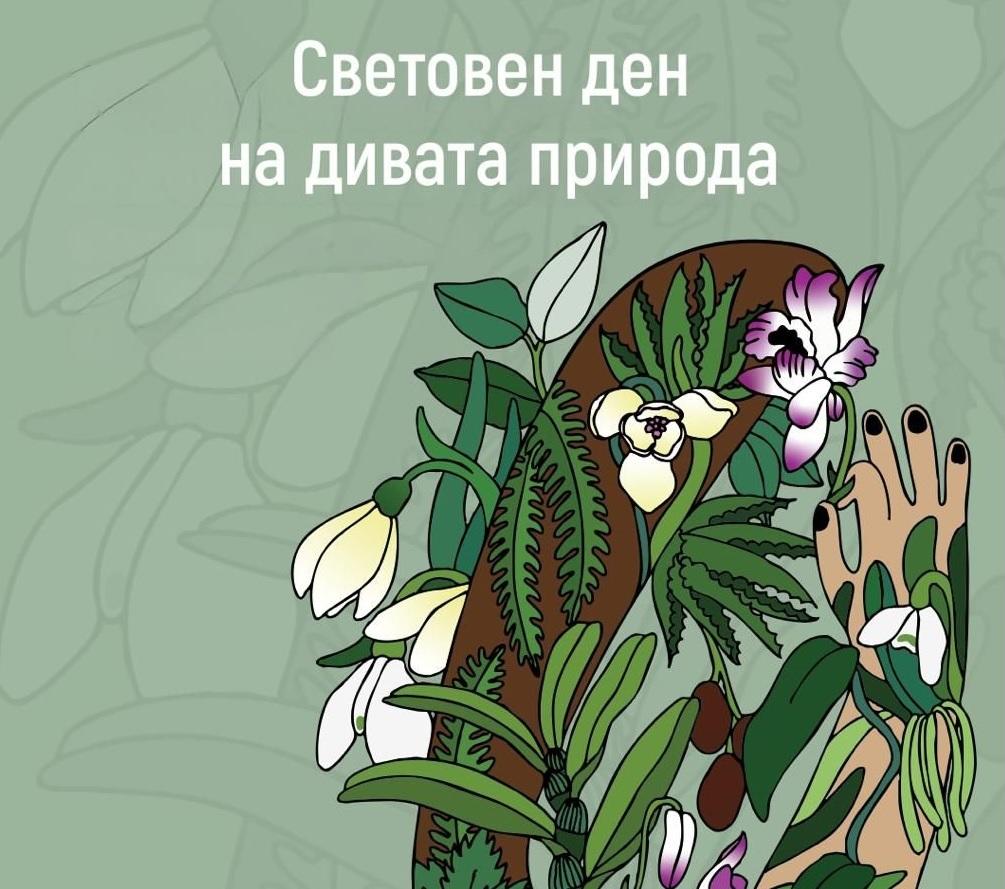
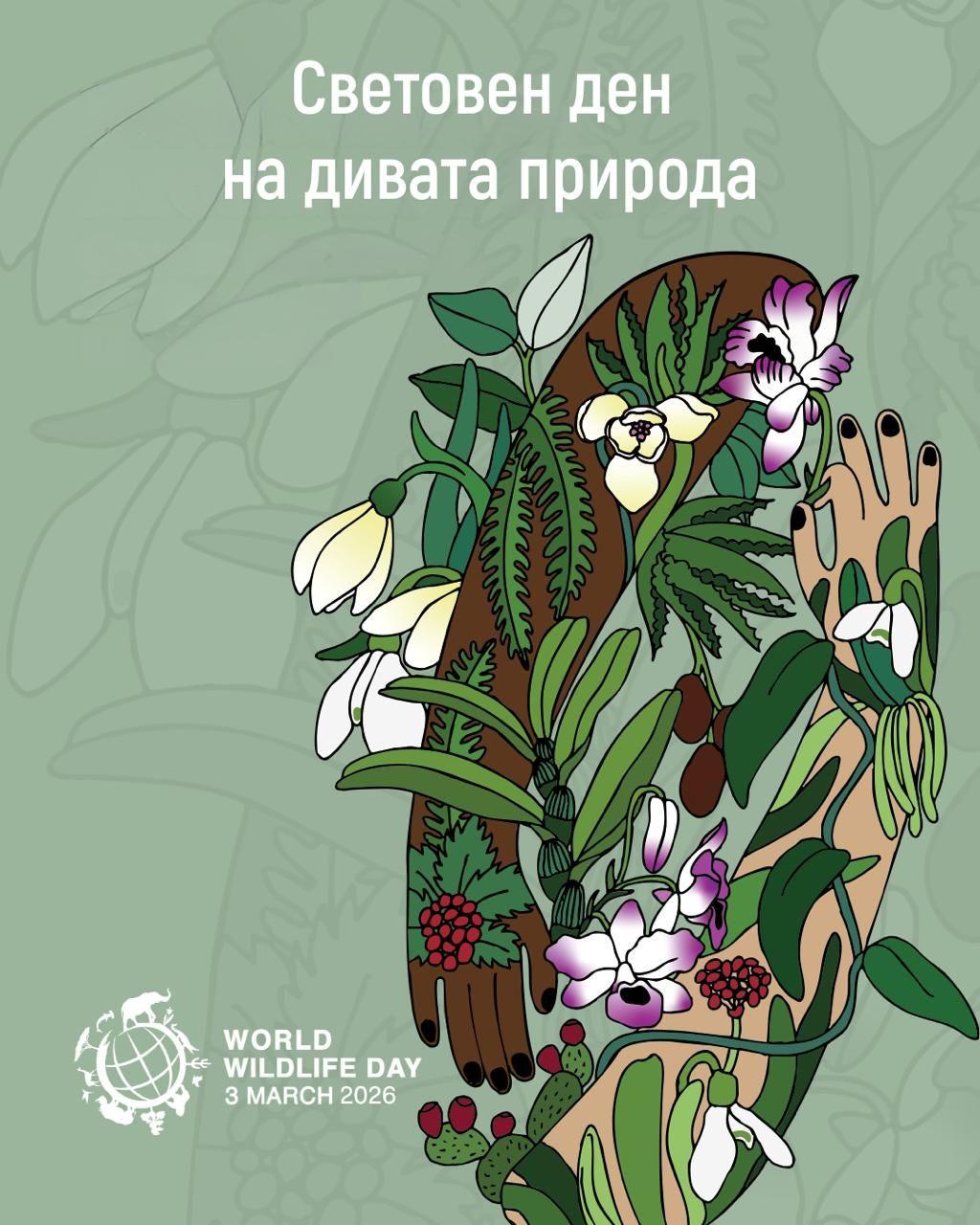
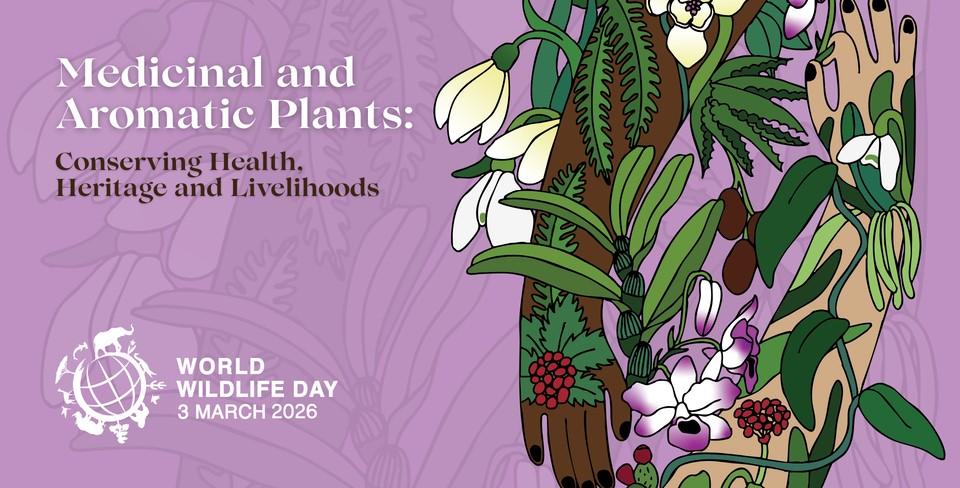
On March 3 we celebrate World Wildlife Day. This year’s theme is “Medicinal and Aromatic Plants: Protecting Health, Heritage and Livelihoods” (WWD2026). It emphasizes on the importance of these species for both human health and well-being and for the ecological balance.
Bulgaria is the only country in the European Union with a specialized Medicinal Plants Act (2000), which regulates the conservation and sustainable use of resources. About 770 species of plants in our country, or approximately 19% of the flora, are medicinal, with nearly 760 of them growing wild. About 250 species are used for economic purposes.
The rich relief, diverse soils, and specific climatic conditions determine the high diversity of the plant world in Bulgaria. The centuries-old connection of people with nature is reflected in Bulgarian traditions, holidays, and livelihoods.
Over 10 000 tons of herbs are harvested annually in the country, and regional environmental and water inspectorates control the activities of approximately 690 herbal collection points. Improper collection or depletion of sources can lead to rapid plant population declines, turning even widespread species into rare and vulnerable. The conservation and sustainable use of medicinal plants is essential both for the conservation of natural resources and biodiversity, and for supporting the local communities that rely on them for their livelihoods, as well as for ensuring their availability for future generations.
World Wildlife Day 2026 encourages public engagement and awareness-raising about the role of medicinal and aromatic plants in human health, cultural heritage and sustainable development.
More information about the initiative is available at: www.wildlifeday.org.
According to the CITES Secretariat, an estimated 50 000 to 70 000 species of medicinal plants are used worldwide for their medicinal properties, cultural significance, and economic value, with around 1300 of them listed in the Convention's Appendices. According to the World Health Organization, 70–95% of the population in developing countries relies on traditional medicine for primary health care. In addition, one in five people worldwide use wild plants, algae and fungi as a source of food and income.